
There’s nothing more soothing and liberating than hiking in the heart of nature.
Whether you’re an adventure lover or just someone who’s craving a break from their routine life, a hike is just what you need to feel refreshed and rejuvenated.
A hiking trip is perfect for those occasions when you desperately want to get away from the chaos and cacophony of the city but don’t have the time or money for a long vacation.
Even if you manage to squeeze out a few hours from your weekend errands, you can enjoy a relaxing hike in the woods.
The best part is that you don’t need to prepare way ahead in advance to go on a hike.
Also, it’s a great way to bond with your friends and family while marveling at the wonders of nature.
It even offers a wide array of health benefits, including a reduced risk of hypertension, diabetes, and cardiovascular diseases.

The ease and effortlessness of hiking make it a great outdoor activity for beginners too.
Having said that, the idea of an “impromptu hiking trip” is a myth.
While it doesn’t require the same level of meticulous planning as a trek or camping getaway, you still need a bit of groundwork.
This is particularly crucial if you’re going hiking for the first time.
From checking the route and safety guidelines to packing the right essentials – early planning is the key to enjoying a memorable hiking trip.
If you’ve been contemplating going for your first hike, here are a few tips to help you get started:
1. Choose the Right Trail
Depending on where you stay, you’ll likely be surrounded by various state and national parks replete with gorgeous hiking trails.
One look at the pictures of these scenic trails will tempt you to immediately head out with your backpack.
But if you haven’t hiked before, it’s wiser to choose a trail that’s relatively shorter and easier.
If you’re skeptical about embarking on a longer hike right away, look for a forest or hillock near your home.
Make a list of potential trails in your area and scour the internet for more details on the terrain and difficulty rating.
Next, familiarize yourself with the safety guidelines and rules of the trail.
Find out if there are any restrictions on photographing and feeding the wildlife.
Also, don’t forget to check the availability of freshwater streams and restrooms en route.
2. Check the Weather
Bad weather is the ominous uninvited guest that can spoil your hiking trip despite thorough prep.
Rain, thunderstorms, snow, etc. are the last thing you’d want to encounter on a hike.
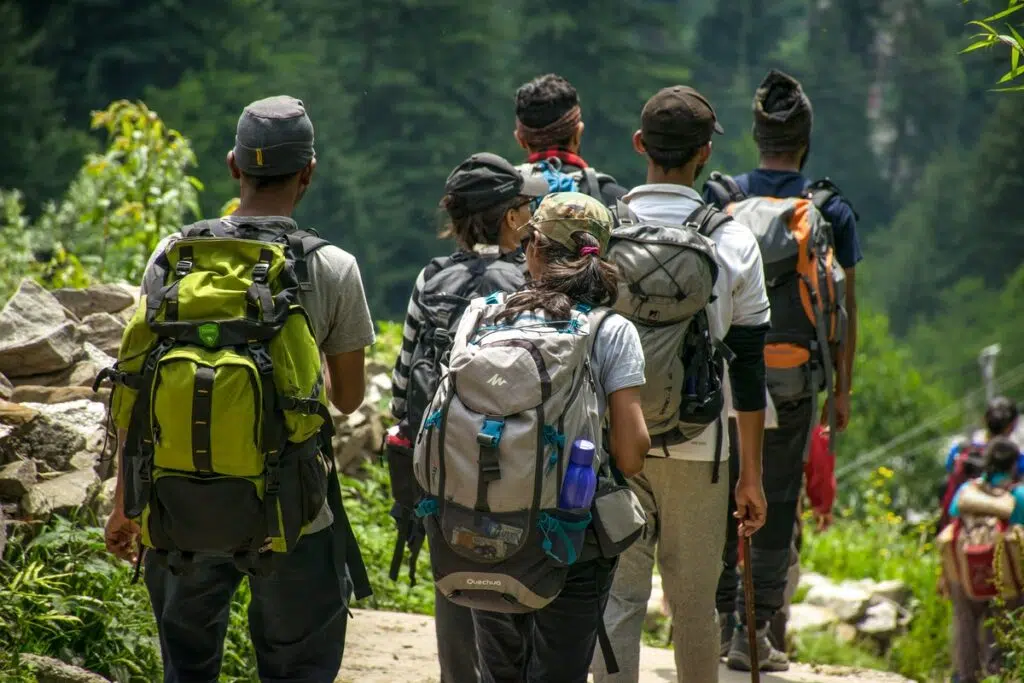
Even if the weather takes a wrong turn, you’d want to be armed with the rightgear.
That’s why it is always a good idea to check the weather forecast on the chosen trail before you set out for the hike.
You can use a free forecast tool, such as ClimaCell, to get accurate and timely updates about the weather on the day of your hike.
3. Watch What You Wear
Despite your best efforts and planning, the weather might take an unexpected turn as you climb higher altitudes.
From cold winds and rain to the scorching sun – you need to be prepared for all types of weather on a hike.
Instead of wearing a heavily padded jacket, it’s recommended that you dress in layers.
It’ll ensure that you have the liberty to remove excess layers as the day gets warmer.
Also, make sure you wear loose and comfortable trousers that let you freely move around.
4. Don’t Ignore the Footwear
Your choice of footwear will dictate whether you’re going to remember the hike as a cherishable experience.
It goes without saying that you need to wear comfortable walking shoes or sneakers for a hike.
Depending on the trail, you might also need high-cut trekking boots if the terrain is too steep and rocky.
Also, never make the mistake of hiking in brand new shoes.
Even if you purchase a new pair of boots, take it out for a trial run a few times before the hike.
This can go a long way to prevent blisters and calluses.
Select a size that isn’t too tight and leaves considerable wiggle room for your toes.
Anyways mother nature can be really unpredictable that is why it is better to take all the safety measures in advance and have all the necessary equipment with you before going on a hike, especially if you are planning to spend the night outdoors.
While it is a very fun experience, hiking has some dangers to it as well and you need to be prepared to face them.
You may need different gear according to your hiking preferences but here are the essentials: you’ll need navigation gear, sun protection, first-aid supplies and high-quality flashlights.
Brands like FlashLight World, Monod Sports or Altitude Sports offer a wide variety of high-quality and credible gear to choose from. This list of course may be extended according to your hiking preferences, length and locations.
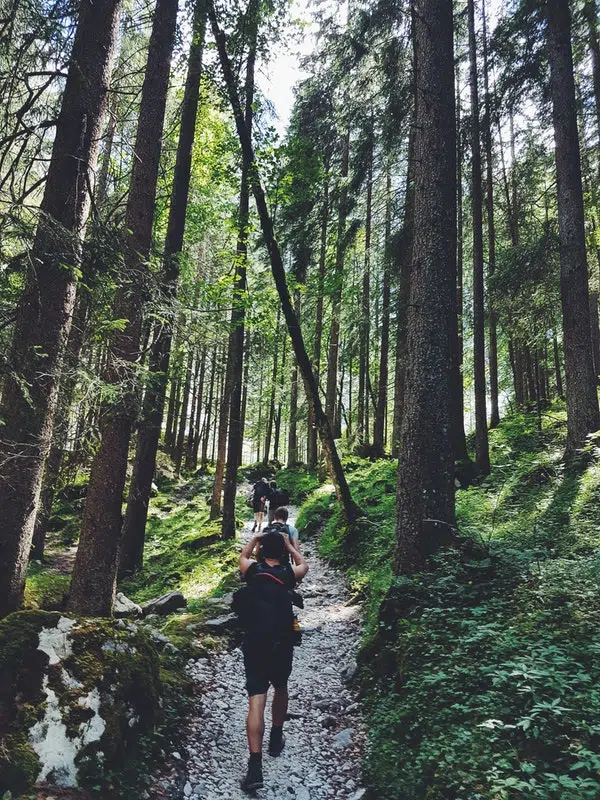
It’s just as essential to wear a pair of soft and comfortable socks.
Depending on the terrain and weather forecast, you should also consider waterproofing your footwear.
5. Carry the Essentials
While hiking doesn’t require you to pack expensive and bulky gear, you’ll still need to carry a few essentials to make your trip smooth and hassle-free.
To begin with, you need a compass and map to check the direction.
Don’t rely solely on your phone’s GPS; it may not work at higher altitudes due to poor connectivity.
Also, you’ll need plenty of snacks and drinking water to fuel your body throughout the trip.
It’s a good idea to carry energy bars, chips, and trail mix to quickly energize your body.
You should also carry the right safety equipment, including a torch, pocket knife, bug spray, whistle, and a first-aid kit.
Do you have any other hiking tips for beginners?
Share your suggestions in the comments section below.