
If you’ve spent years building up a healthy savings balance, the last thing you want to do is to put any of that hard-earned cash in danger.
Luckily, there are lots of things you can do to help protect your savings and make sure that you aren’t accidentally dipping into those savings more than you should do.
From setting up a budget to signing up for an insurance policy to creating an emergency fund for yourself, here are four of the best ways that you can protect your savings:

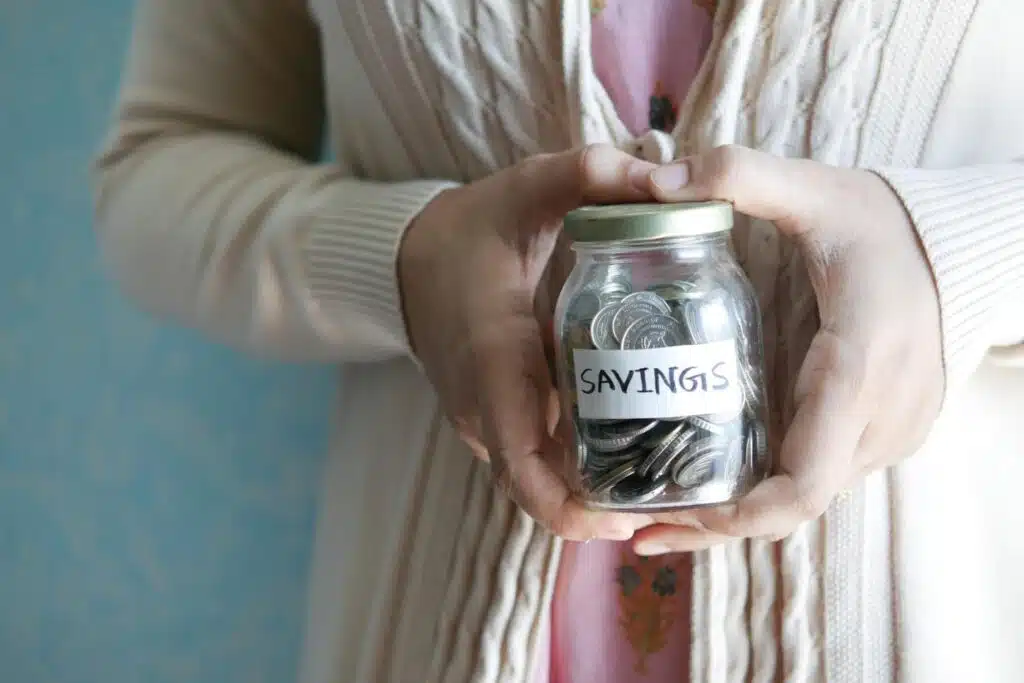
1. Emergency fund
The first and most important thing you can do to protect your savings is to set up an emergency fund.
This should be kept separately from the rest of your savings and is there as a last resort in the event of a period of unemployment, illness, or any other reason you can’t work.
This emergency fund should contain enough money for at the very least 3 months of basic living expenses, including rent or mortgage payments, utilities and groceries, so that you are not cutting into your savings if anything goes wrong.
An emergency fund is something everyone should have set up, and if you ever do have to touch it, it should be your first priority to replenish it.
This will help you to keep on top of spending and prevent you from draining your hard-earned savings in the unfortunate event that you’re unable to work for a period of time.
2. Set and stick to a budget
A surefire way to really protect your savings is to set up and stick to a budget.
Work out how much money you have coming in each month compared to all of your outgoings, including your rent/mortgage payments, bills, food, subscription services, travel and any other expenses.
Find a reasonable amount that you can comfortably live on and make your goal that everything else gets put straight into your savings.
If you stick to this, small investments each month can really add up. Putting just £50 away each month will leave you with £600 in savings after just one year.
If you’re able to put away more each month then this will grow even faster.
Whatever you can manage, once you’ve set that budget, stick to it, no matter what.
3. Insurance
If you’re looking to protect your savings, you should invest in insurance.
A small monthly payment could save you thousands in the long run, and there are lots of different types of insurance out there to help protect you and your finances.
For example, Petgevity’s pet insurance is a small payment each month which can cover up to £15k in any unexpected medical bills for your beloved pets, meaning that you won’t have to pay out-of-pocket for any expenses that may come up.
A £15k payment that you’re not expecting is more than enough to drain even the hardest of savers’ accounts, so an insurance policy can really help you out in an unfortunate situation.
4. Clear out unnecessary direct debits
Often, people are spending big sums of money each month through direct debit transactions for services they don’t even use.
If you’ve not signed in to your Netflix account in a few months, why not cut out the expense?
You’ll save over £100 a year, and if you do this for a few different streaming services then you’ll end up with bigger savings than you expect.
Take a look through your bank statements from the last few months and see where you can cut back, what you’re spending money on unnecessarily and where obvious savings may appear.