
Being yelled at as a child leaves a deeper imprint than many realize. The raised voice might stop a behavior temporarily, but its echoes can linger for years.
Emotional scars from frequent shouting often shape self-esteem, relationships, and even how one perceives the world. It’s not just about the words—it’s the tone, the volume, and the fear it can induce.
Here are 17 lasting effects that being yelled at as a kid can have, painting a picture of its profound impact.
Low Self-Esteem
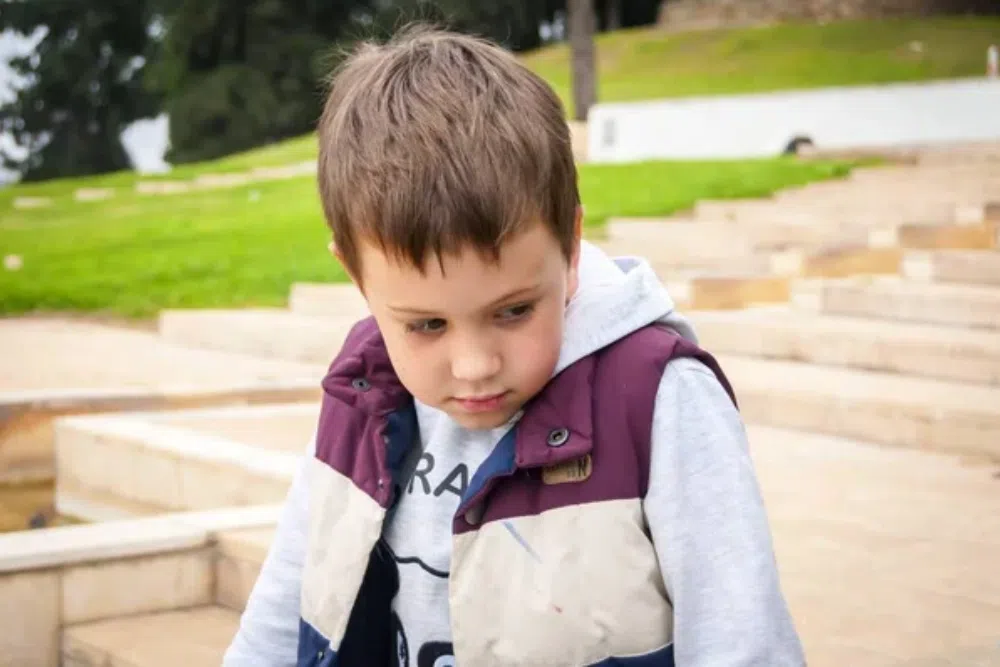
Constant yelling can make a child question their worth. When harsh words are paired with loud tones, it reinforces the idea that they are not good enough.
Over time, this erodes confidence, leaving them doubting their abilities and their value in relationships and work environments.
Fear of Authority Figures

Kids who grow up being yelled at may develop an aversion to authority. Bosses, teachers, or even mentors can trigger anxiety because they associate those figures with punishment or criticism.
This fear can hinder personal and professional growth.
Like Kelly’s thoughts on things? Follow us on MSN.
Hypervigilance
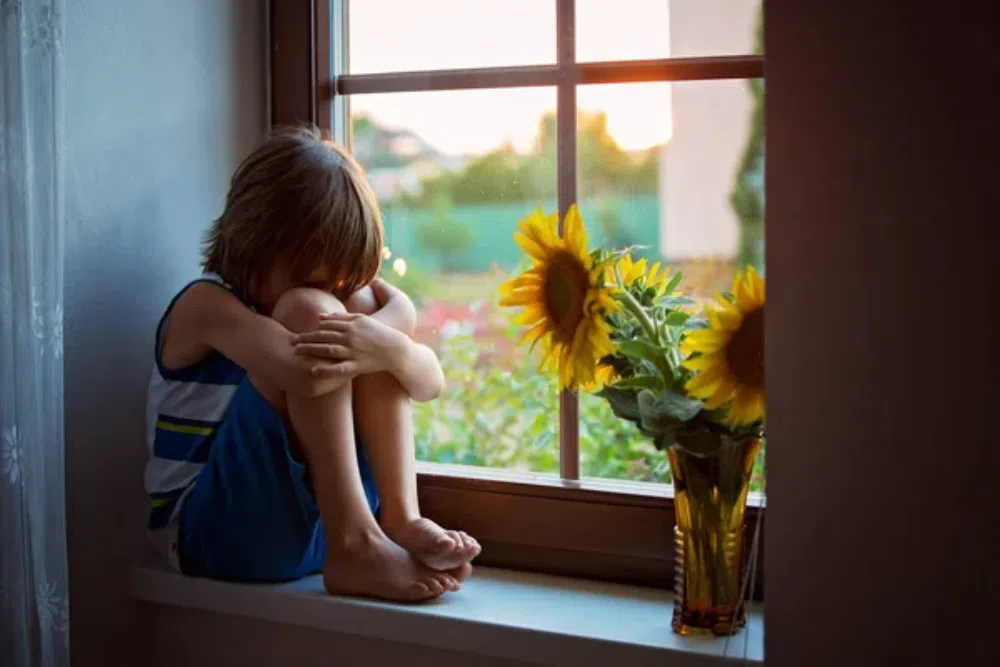
Being yelled at often teaches kids to stay on high alert. They start anticipating the next outburst, which can manifest as hypervigilance.
This constant state of readiness to defend themselves is exhausting and can lead to chronic stress.
Difficulty Expressing Emotions

When a child is silenced by shouting, they may internalize emotions to avoid conflict. This leads to emotional suppression, making it hard to communicate feelings as an adult.
They may even fear expressing anger or sadness, worried it will provoke similar reactions in others.
Perfectionism
Children who are yelled at may strive for perfection, believing mistakes will lead to loud reprimands. This perfectionism can feel like a shield against criticism but often leads to burnout and feelings of inadequacy.
Like Kelly’s thoughts on things? Follow us on MSN.
Strained Relationships

Yelling can teach kids that shouting is how conflicts are resolved. As adults, they may replicate this behavior in their own relationships or shy away from confrontation altogether, both of which can strain emotional connections.
Chronic Anxiety

The unpredictable nature of yelling creates a sense of instability. Kids exposed to this grow up feeling uneasy, often battling chronic anxiety.
This constant worry becomes a backdrop to their daily lives.
Over-Apologizing
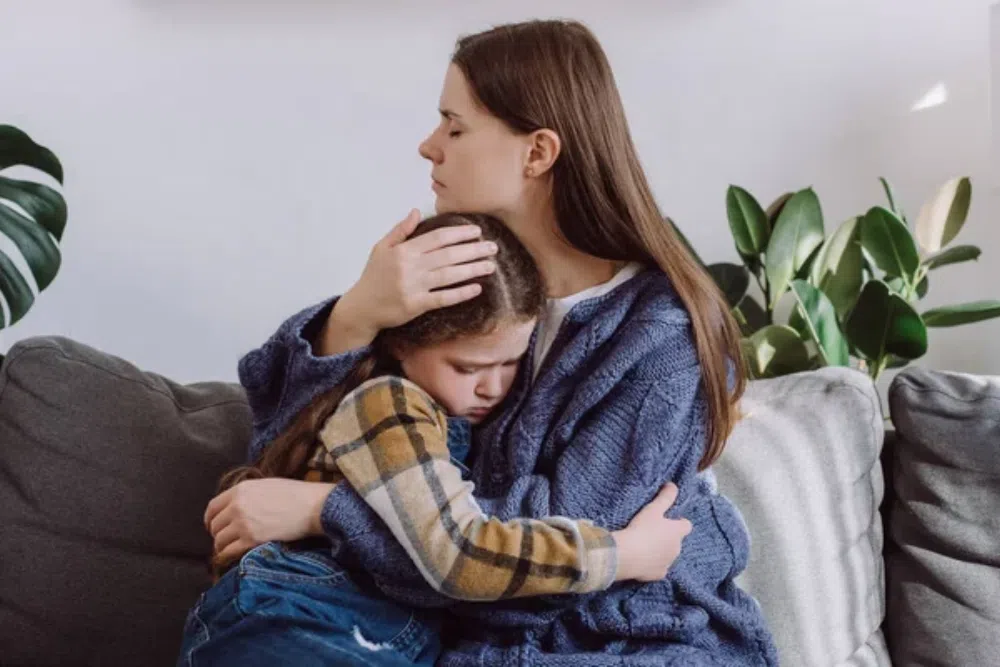
When yelling makes a child feel at fault, they may grow up apologizing excessively. It’s a coping mechanism to preemptively avoid conflict, even in situations where they’ve done nothing wrong.
Like Kelly’s thoughts on things? Follow us on MSN.
Distrust of Others

A childhood filled with shouting can make kids wary of people’s intentions. They may struggle to trust, always questioning whether someone’s kindness hides a more explosive side.
Difficulty Setting Boundaries

Children who are yelled at may learn to prioritize others’ emotions over their own to avoid conflict. As adults, they might find it challenging to assert their needs or say no, fearing backlash.
Physical Stress Responses

Frequent exposure to yelling activates the fight-or-flight response. Over time, this can cause physical symptoms like headaches, stomach issues, or even long-term problems like high blood pressure.
Like Kelly’s thoughts on things? Follow us on MSN.
Internalized Guilt
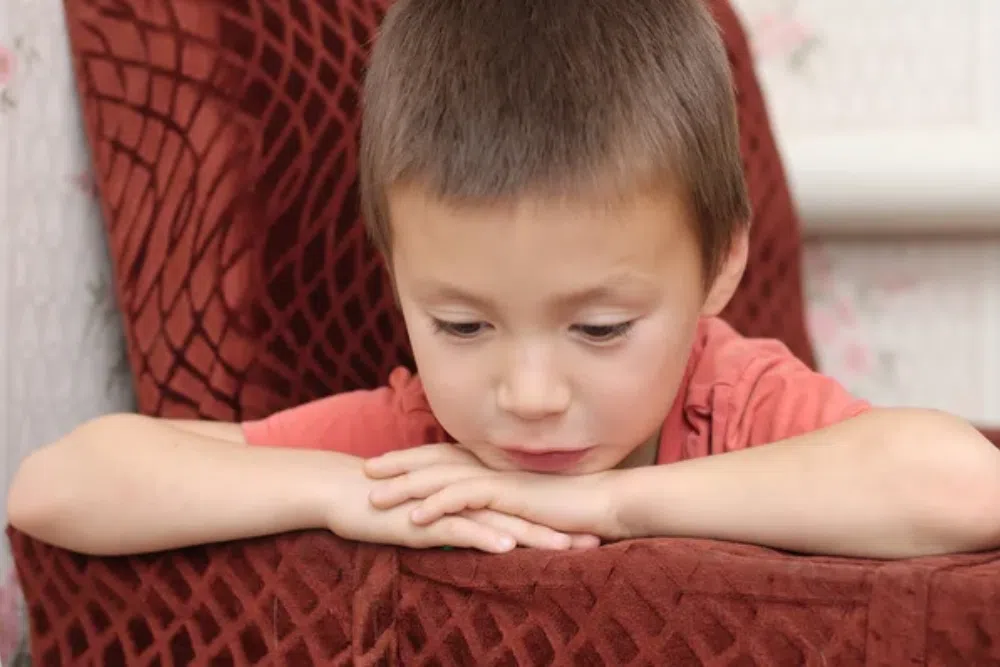
Being yelled at often instills a sense of guilt, even when the child isn’t at fault. This can morph into a lifelong habit of blaming themselves for things beyond their control, creating unnecessary emotional burdens.
Fear of Failure

Yelling that emphasizes mistakes can make failure feel catastrophic. As adults, these kids may avoid taking risks, fearing the harsh judgment they experienced in their youth.
Suppressed Creativity

A harsh environment stifles creativity. Children who are yelled at may be less willing to experiment or think outside the box, fearing their ideas will be met with criticism or dismissal.
Like Kelly’s thoughts on things? Follow us on MSN.
People-Pleasing Behavior

Yelling often teaches kids to prioritize keeping others happy to avoid conflict. As adults, they might become people-pleasers, constantly bending over backward for others at the expense of their own well-being.
Emotional Numbness

To cope with the hurt caused by yelling, children may disconnect from their emotions. This numbness can follow them into adulthood, making it hard to feel joy, sadness, or connection.
Resentment Toward Parents

Even with love, yelling can build resentment. The child grows up remembering the pain and may struggle to forgive their parents.
This lingering bitterness can impact family dynamics and personal healing.
Like Kelly’s thoughts on things? Follow us on MSN.
More From Kelly’s Thoughts On Things
- 7 Hamburger Restaurants That Aren’t Worth The Money
- Not Collectible: 7 Debts That Are No Longer Collectible
- 4 Grocery Chains in Danger of Going Out of Business
- 5 Fast-Food Chains That Are Struggling to Keep Doors Open
- 7 Vehicles Being Discontinued in 2025
Like Kelly’s thoughts on things? Follow us on MSN.