
The Middle Ages, often seen as a time of knights, castles, and superstition, is shrouded in myths. Some are romanticized; others are outright false.
But many of these misconceptions have stuck around, even in the modern age. From misunderstood practices to exaggerated lifestyles, these myths distort our understanding of medieval life.
This article takes a closer look at 16 common medieval myths and uncovers the truth behind them. Prepare to be surprised by what people still get wrong about this fascinating era.
People Believed the Earth Was Flat
Contrary to popular belief, most educated medieval Europeans knew the Earth was round. This knowledge came from ancient Greek and Roman scholars, whose writings were preserved by the Church.
The flat Earth myth gained traction much later due to 19th-century writers.
Medieval Medicine Was All Bloodletting and Leeches
While bloodletting was common, medieval medicine was more advanced than people think. Physicians used herbal remedies, performed surgeries, and followed principles from classical texts.
The idea that medieval medicine was entirely primitive is a gross oversimplification.
Like Kelly’s thoughts on things? Follow us on MSN.
Everyone Was Dirty and Never Bathed
Medieval people valued cleanliness more than you’d expect. Public bathhouses were popular in towns, and many had access to rivers or wells for bathing.
Hygiene habits varied by social class, but the “dirty medieval peasant” trope is mostly a myth.
Witches Were Constantly Burned at the Stake
Though accusations of witchcraft occurred, large-scale witch hunts didn’t take off until the Renaissance and early modern periods. In the Middle Ages, most people accused of witchcraft were tried for heresy, and burning at the stake was relatively rare.
Knights Wore Shiny, Heavy Armor All the Time
Knights wore armor during battles or tournaments, but they didn’t clank around in it daily. Full plate armor was also surprisingly lightweight and flexible, designed to allow for mobility during combat.
Like Kelly’s thoughts on things? Follow us on MSN.
Castles Were Always Cold, Dark, and Damp
While some castles were drafty, many were designed with comfort in mind. Nobles decorated their homes with tapestries, fireplaces, and thick walls to retain heat.
Castles were more livable than the myths suggest.
Peasants Worked Non-Stop and Had Miserable Lives
While peasants worked hard, they weren’t endlessly toiling. They observed numerous religious holidays and festivals, which often gave them breaks from labor.
Life was tough, but it wasn’t constant drudgery.
Vikings Wore Horned Helmets
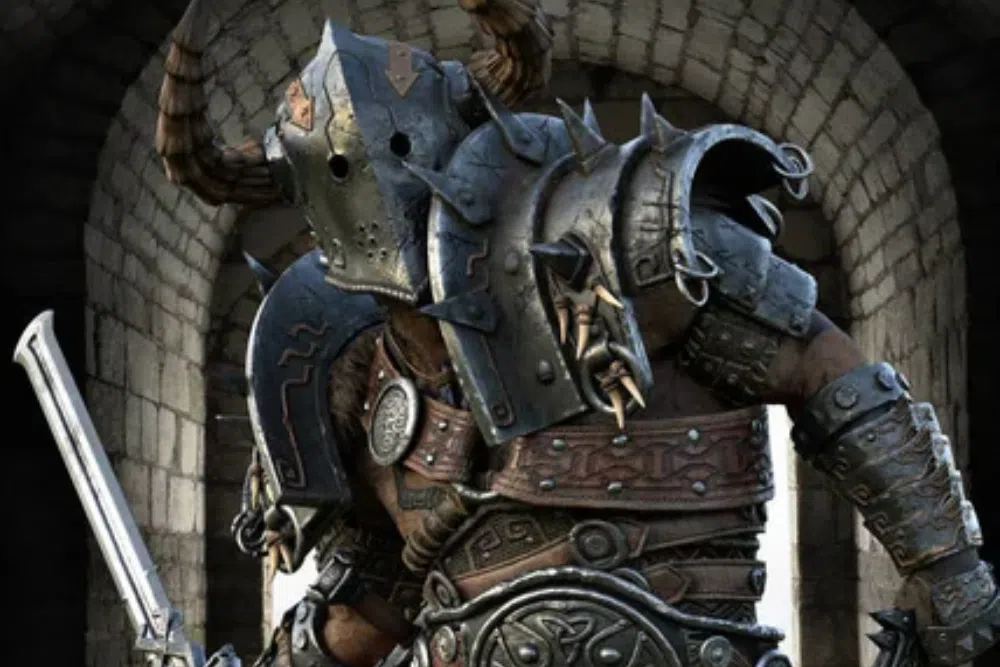
The iconic horned Viking helmet is pure fiction, popularized by 19th-century opera costumes. Historical evidence shows Vikings wore simple helmets or none at all.
The dramatic horns are a myth invented much later.
Torture Devices Were Commonplace
While torture existed, it wasn’t as widespread as Hollywood suggests. Most legal systems used torture sparingly, often for extreme cases.
Famous devices like the Iron Maiden were likely inventions of later periods.
Like Kelly’s thoughts on things? Follow us on MSN.
All Women Were Oppressed and Had No Rights
Medieval women had more agency than often assumed. Noblewomen managed estates, women in guilds ran businesses, and nuns held educational roles.
While limited compared to today, women’s roles varied by class and region.
The Middle Ages Were a Time of Scientific Stagnation
This era saw significant advances in agriculture, architecture, and technology. Universities were founded, and scholars like Roger Bacon pushed boundaries.
The myth of a “dark age” ignores the period’s intellectual achievements.
Every Meal Was Just Gruel and Ale

Medieval cuisine was diverse and flavorful, especially for the wealthy. Dishes included roasted meats, spiced stews, and pastries.
Even peasants enjoyed seasonal fruits, vegetables, and bread. Meals were more varied than gruel alone.
Like Kelly’s thoughts on things? Follow us on MSN.
The Church Suppressed All Knowledge
While the Church influenced education, it also preserved classical texts and supported universities. Monasteries were centers of learning, copying and safeguarding ancient manuscripts.
It wasn’t a simple story of suppression.
Jousting Was a Lethal Sport
Jousting was more sport than battle, with rules designed to avoid serious injury. While accidents happened, knights typically wore protective armor and competed for honor rather than survival.
Everyone Died Young at 30
Life expectancy statistics are misleading. High infant mortality skewed the average, but many people lived into their 50s or 60s.
A healthy adult could expect a reasonable lifespan, contrary to the “everyone died young” myth.
Like Kelly’s thoughts on things? Follow us on MSN.
The Middle Ages Were Completely Isolated from the World
Medieval Europe had connections with Asia, the Middle East, and North Africa through trade, war, and cultural exchange. The Silk Road and Crusades brought new ideas and goods, proving the era was far from isolated.
More From Kelly’s Thoughts On Things
- 7 Hamburger Restaurants That Aren’t Worth The Money
- Not Collectible: 7 Debts That Are No Longer Collectible
- 4 Grocery Chains in Danger of Going Out of Business
- 5 Fast-Food Chains That Are Struggling to Keep Doors Open
- 7 Vehicles Being Discontinued in 2025
Like Kelly’s thoughts on things? Follow us on MSN.