
Exercise is essential for good health, but too much can have the opposite effect. Overtraining happens when you push your body beyond its ability to recover, and it can lead to burnout, injury, or worse.
Recognizing the warning signs is crucial so you can take the rest your body needs. Here are 15 signs you might be overtraining and need to slow down.
Constant Fatigue

If you’re always feeling tired, even after a good night’s sleep, overtraining could be the culprit. Why It Happens: Your body needs time to recover after a workout, but if you keep pushing, you’re depleting your energy stores.
The constant fatigue is a signal that your body is overworked and needs rest.
Frequent Illness

Getting sick more often than usual can indicate that your immune system is struggling. Why It Happens: Intense exercise, without enough recovery time, can suppress your immune system.
The body is too focused on repairing muscle damage, leaving you vulnerable to infections and illnesses.
Like Kelly’s thoughts on things? Follow us on MSN.
Persistent Muscle Soreness

When muscle soreness lasts far longer than usual, it could be a sign you’re pushing too hard. Why It Happens: Muscle soreness is normal after a workout, but it should subside within a few days.
If soreness lingers, your muscles haven’t had enough time to recover, signaling overtraining.
Decreased Performance

If you notice that your performance is dropping, despite working harder, it’s time to reassess your training. Why It Happens: Overtraining leads to fatigue and muscle breakdown, making it harder to perform at your peak.
It’s your body’s way of saying it’s not getting the recovery it needs.
Insomnia or Poor Sleep Quality

Struggling to fall asleep or waking up feeling unrested can be a major red flag. Why It Happens: Overtraining increases cortisol levels (a stress hormone), which can disrupt your sleep patterns.
The stress from excessive exercise keeps your body in a heightened state of alertness, preventing restorative sleep.
Like Kelly’s thoughts on things? Follow us on MSN.
Irritability or Mood Swings

Feeling moody or easily irritated can be a direct result of overtraining. Why It Happens: Overtraining leads to an imbalance in hormones, including serotonin, which regulates mood.
The physical stress also triggers mental stress, making you more prone to irritability and anxiety.
Loss of Appetite

If you’re suddenly not hungry or you’re struggling to eat enough, your body might be telling you to slow down. Why It Happens: Overtraining can increase the levels of cortisol, suppressing your appetite.
Your body is in a constant state of stress, leaving you without the energy or desire to eat.
Increased Heart Rate

If your resting heart rate is higher than normal, it’s a sign of overtraining. Why It Happens: Overtraining puts additional stress on your cardiovascular system.
A higher-than-normal resting heart rate means your body is in a state of stress and not recovering properly.
Like Kelly’s thoughts on things? Follow us on MSN.
Frequent Injuries

If you keep getting hurt, it’s a clear sign you’re not giving your body enough time to repair itself. Why It Happens: Overtraining weakens muscles, tendons, and joints, making them more susceptible to injury.
The constant strain increases the likelihood of strains, sprains, and stress fractures.
Dizziness or Lightheadedness

Feeling dizzy or faint during or after exercise could indicate overtraining. Why It Happens: When you overtrain, your body is not getting enough nutrients or rest to keep you fueled.
This can lead to low blood sugar, dehydration, and ultimately dizziness or fainting.
Reduced Motivation
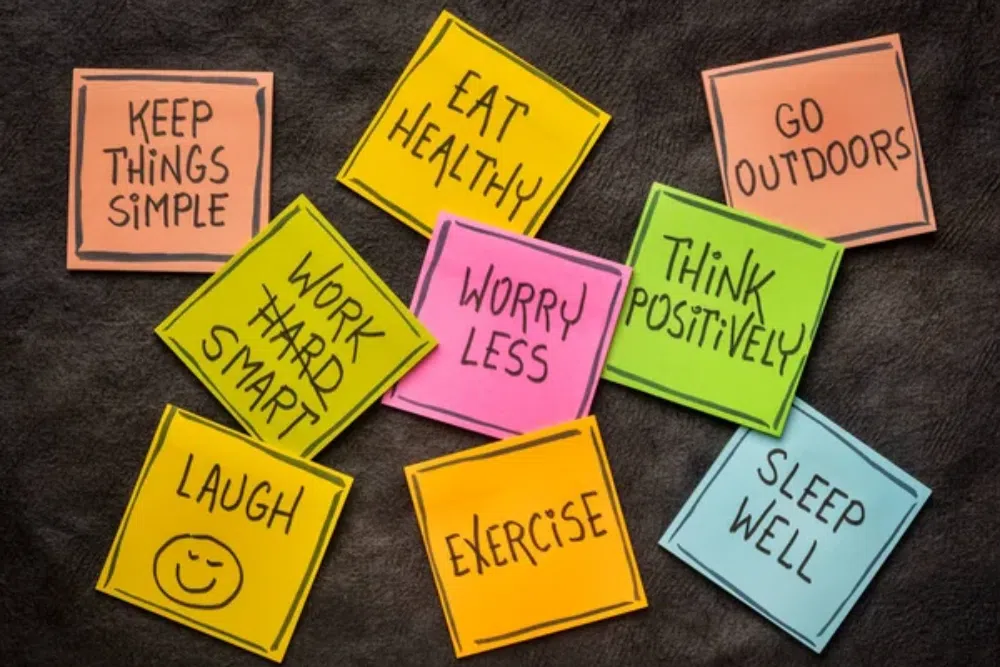
Losing interest or motivation to work out can be a sign of burnout. Why It Happens: Overtraining can mentally exhaust you, leading to a loss of enthusiasm.
The constant pressure to perform can leave you feeling uninspired and drained, making exercise feel like a chore.
Like Kelly’s thoughts on things? Follow us on MSN.
Sleepiness During the Day

If you feel tired throughout the day, even after a full night’s sleep, it may indicate you’re overdoing it. Why It Happens: Overtraining can disrupt your body’s natural rhythm, leading to excessive daytime sleepiness.
You may be getting sleep, but it’s not the restorative kind your body needs.
Headaches

Frequent headaches, especially after workouts, can be a sign of overtraining. Why It Happens: Overtraining can increase stress, which tightens muscles and leads to tension headaches.
Hormonal changes from excessive exercise can also trigger migraines and other forms of headache.
Menstrual Irregularities

For women, changes in menstrual cycles, like missed periods, can signal overtraining. Why It Happens: Intense exercise can disrupt hormone levels, leading to missed or irregular periods.
This is a serious sign your body is under too much stress and isn’t functioning normally.
Like Kelly’s thoughts on things? Follow us on MSN.
Feeling “Off” or Unwell

Sometimes, you just don’t feel like yourself—weak, sluggish, or “off.” Why It Happens: Overtraining can create a sense of overall imbalance.
The excessive physical stress and lack of recovery can throw your body’s systems out of whack, making you feel unwell or exhausted.
More From Kelly’s Thoughts On Things

- 7 Hamburger Restaurants That Aren’t Worth The Money
- Not Collectible: 7 Debts That Are No Longer Collectible
- 4 Grocery Chains in Danger of Going Out of Business
- 5 Fast-Food Chains That Are Struggling to Keep Doors Open
- 7 Vehicles Being Discontinued in 2025
Like Kelly’s thoughts on things? Follow us on MSN.