
Looking back, the 1940s were a unique era. Many people enjoyed more simple, slower-paced activities to pass the time. My Nana who recently passed away often talked about some of her favorite pastimes from this decade (when she was 10+ years old). I often think about what life would be like if we still enjoyed some of these recreational activities that have since vanished. Here’s a look at a few worth mentioning.
1. Listening to Radio Dramas

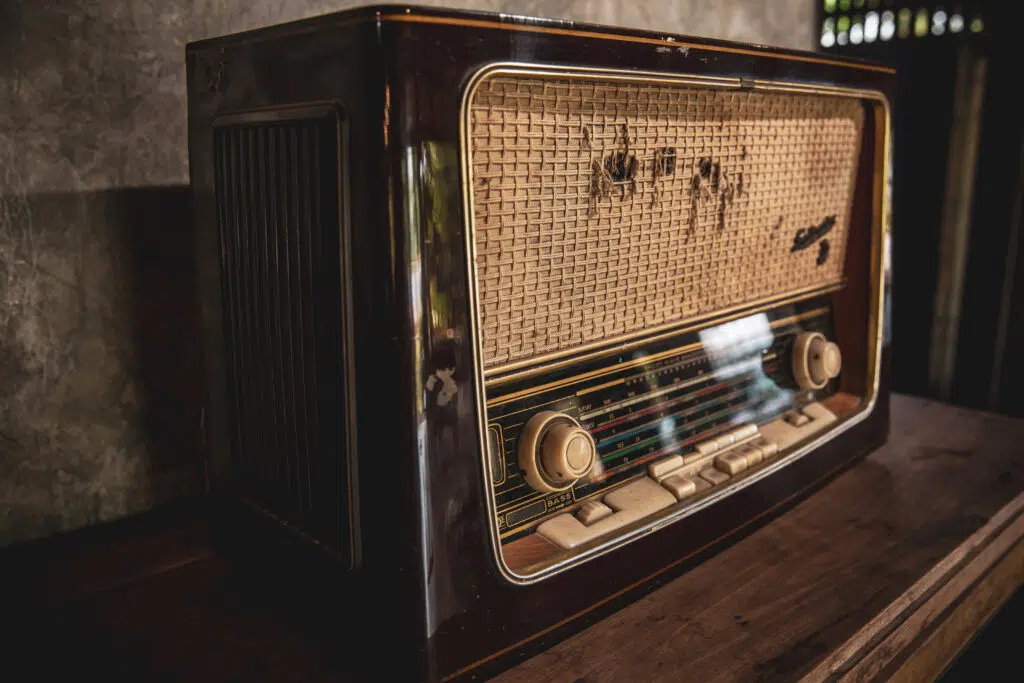
Radio dramas were really popular in the 1940s. People would gather around the radio with their families and listen to stories. Even President Franklin D. Roosevelt held fireside chats where he spoke to the nation from 1933 until 1944. However, shows like The Shadow and The Lone Ranger drew in millions of listeners every week. In today’s world, most of us have become used to on-demand streaming. Radio dramas aired at specific times, which created some excitement about the next episode. Best of all, these radio dramas allowed listeners to use their imaginations, which created an engaging experience.
2. Community Dance Halls


My grandparents actually met at a community dance hall. These were vibrant social spaces where people gathered to dance and enjoy live music. For young people, this was one of the best ways to socialize and meet friends. The atmosphere isn’t able to be matched by today’s modern-day nightclubs. Dancing hasn’t disappeared, but the era of the neighborhood dance hall is certainly a thing of the past.
3. Roller Skating Rinks


Roller skating rinks have increased in popularity in recent years with TikTok making the hobby trendy again. However, skating rinks reached their peak in the 40s. Rinks often hosted events, competitions, and social gatherings. They were a meeting place for the community and became a favorite destination for everyone in the area, especially teenagers. As the years went by, many young people gave up roller skating for skateboarding and other forms of entertainment. Although it gained some popularity back, it is more niche than it was years ago.
4. Board Game Nights

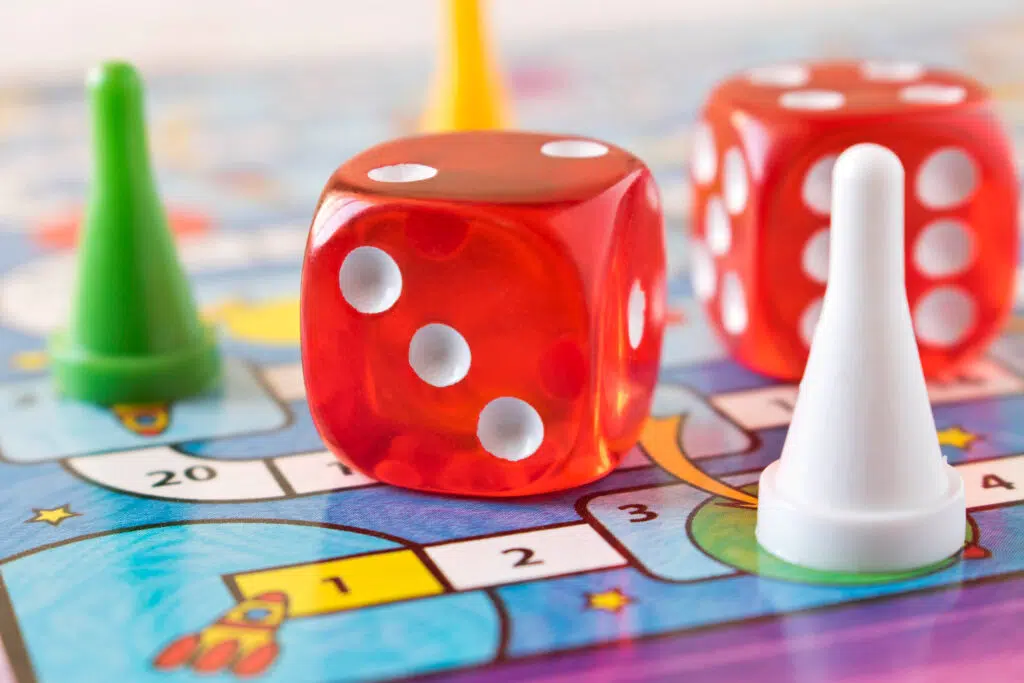
I still love a board game night, but it’s not as common as it once was. Many people have forgotten board games for streaming television and playing video games. In the 40s, many families spent their evenings playing board games together. Monopoly, which debuted in 1935, was popular. Scrabble made its way to the family table in 1948. Other popular games included checkers, card games, and dice. They were a centerpiece of family recreation and a regular part of life.
5. Sunday Drives


The Sunday drive was the epitome of leisure in the 1940s. Families would hop in the car and take a nice scenic drive. At the time, gas was cheap, and driving through the countryside was relaxing. There was no specific destination. The entire purpose of a Sunday drive was to spend time together and explore the area. With the price of gas today, no one is just going on a drive very often. Driving for the sake of taking a drive just isn’t something people do much anymore.
6. Stamp Collecting


Stamp collecting was a popular hobby for many people in the 1940s. Children and adults both enjoyed this activity. Each stamp was looked at as a piece of history, representing a story or a form of art. Collectors would trade stamps on a regular basis and treated their collections like a treasure. Digital communication has dominated the world in recent years. As a result, stamping collecting has lost its appeal in many ways. There are still some enthusiasts today, but it isn’t very common.
7. Soda Fountain Socializing


Soda fountains were popular places to hang out for young adults and teenagers in the 1940s. People would get together to enjoy a soda, a milkshake, or a few light snacks. While sitting at the soda fountain counter was unique in the 40s, fast-food chains, and coffee shops swiftly took their place. You might still be able to find a few retro-style soda fountains, but they are only nostalgic novelties rather than mainstream hangouts today.
8. Reading Pulp Magazines


Pulp magazines often featured thrilling stories in them. They were a popular thing to pick up and read in the 1940s. Writers like Ray Bradbury and H.P. Lovecraft gained fame through pulp magazines, which were widely available in newsstands and stores. Eventually, television and mass-market books replaced pulp magazines. Today, digital media has taken over. Despite that, pulp magazines remain a cherished part of literary history.
9. Amateur Radio Hobbyist Clubs


Radios were fascinating to many people in the 1940s. Radio clubs were popular. Hobbyists would build their own sets and learn Morse code. They would then experiment with different frequencies in an attempt to reach as many people as possible. As different communication methods developed over the years, this recreational activity fell by the wayside. There are still a few dedicated enthusiasts who keep radio clubs alive, but it isn’t a common hobby anymore.
10. Homemade Soap and Candlemaking


Although my friends and I enjoy making soap and candles around the holidays for each other, this isn’t a common practice anymore. In the 1940s, they were both practical and popular hobbies. Oftentimes, the recipes were passed down through generations. Of course, modern convenience has made these kinds of crafts largely obsolete. For most people, homemade soap and candles are a very niche craft rather than a necessary skill to have.
A Look Back at Lost Traditions


I often think about some of the things I learned from my Nana, who was entering her teens in the late 40s. Many of the recreational activities she passed down to me are things I cherish (like crocheting, knitting, sewing, etc.). Some of the pastimes mentioned here are a reflection of a much simpler time. Thinking about them offers a reminder of the importance of slowing down and appreciating the small things in life. While trends change, the significance of spending time together remains the same.