
The 1990s was truly a golden era for Japanese car manufacturing. This decade produced some of the most iconic and beloved vehicles in automotive history. Known for their reliability, innovation, and performance, these cars remain legends today. Here are 10 Japanese cars from the 90s that continue to captivate car enthusiasts around the world.
10. Lexus SC300/SC400


The Lexus SC300 and SC400 made their way to the car scene in 1991. These luxury coupes had a level of elegance to them that wasn’t common among Japanese cars in the 90s. The SC300 was powered by the legendary 2JZ-GE engine, while the SC400 came with a smooth 4.0-liter V8. The two cars offered two distinct driving experiences. Today, these two Lexuses often get overlooked, but they have impeccable quality and reliability that make them worth knowing.
9. Toyota Celica GT-Four (ST205)


Toyota released the Celica GT-Four (ST205) in 1994. It was the carmaker’s answer to the World Rally Championship and, honestly, it didn’t disappoint. The ST205 was built to meet rally standards, making it one of the most advanced Celicas ever produced. Its performance capabilities made it a favorite for many car lovers. Toyota Celica GT-Four (ST205) is a rare find today, but a true gem for rally enthusiasts.
8. Honda Civic SiR (EK9)

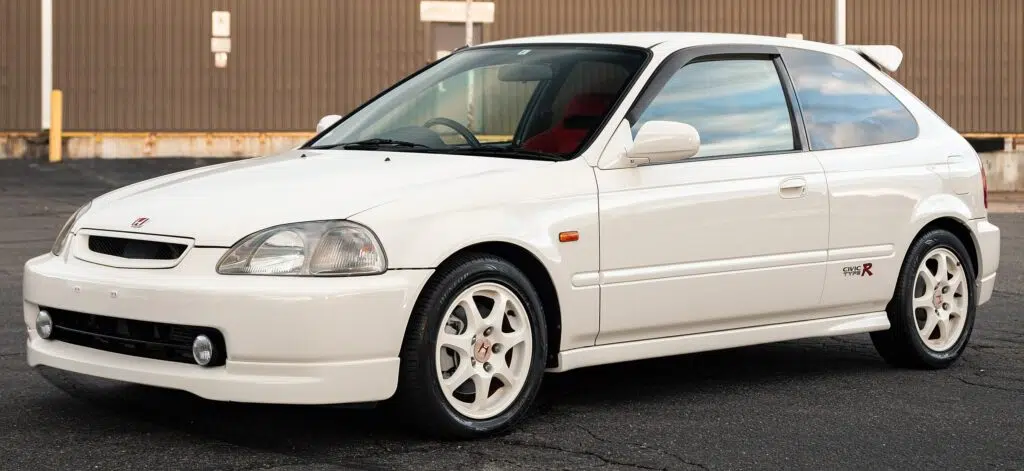
The Honda Civic SiR (EK9) made its way to the market in 1997. It was the first car Honda manufactured to receive the R badge and it lived up to the hype. The EK9 had a high-revving B16B engine and delivered 185 horsepower from just 1.6 liters. Additionally, the car was lightweight and responsive, making it a joy to drive. To this day, the Civic SiR is a popular choice for tuners and track day enthusiasts.
7. Nissan 300ZX (Z32)

The Nissan 300ZX (Z32) made its way onto the car scene in 1989 and it was a car that was ahead of its time. It had a sleek design that made it nice to look at, partnered with a twin-turbo V6 engine that cranked out 300 horsepower. That said, it had complex electronics for its day and it also had a tight engine bay that made it hard to maintain. These things have led to mixed feelings in the car community, but it is still a notable Japanese car from the 90s.
6. Subaru Impreza WRX STI (GC8)


Subaru’s Impreza WRX STI was released in 1994. Again, a car manufacturer was influenced by the World Rally Championship. The GC8 generation was powered by a turbocharged 2.0-liter engine, delivering impressive performance both on and off the road. Not to mention, its all-wheel-drive system became Subaru’s brand signature. Its handling and unbeatable traction control made it a practical daily driver and something that would perform well at a rally race.
5. Mitsubishi Lancer Evolution VI


The Mitsubishi Lancer Evolution VI barely makes it into the list of Japanese cars from the 90s. It was released in 1999 and was another rally-inspired car. The Evo VI was equipped with a 2.0-liter turbocharged inline-four engine and advanced all-wheel-drive system made it perfect for both street and track. Subaru’s Impreza was the direct competitor for the Mitsubishi Lancer Evo VI. However, the raw, turbocharged power of this vehicle had given it a special place in the hearts of enthusiasts.
4. Honda NSX (Acura NSX)

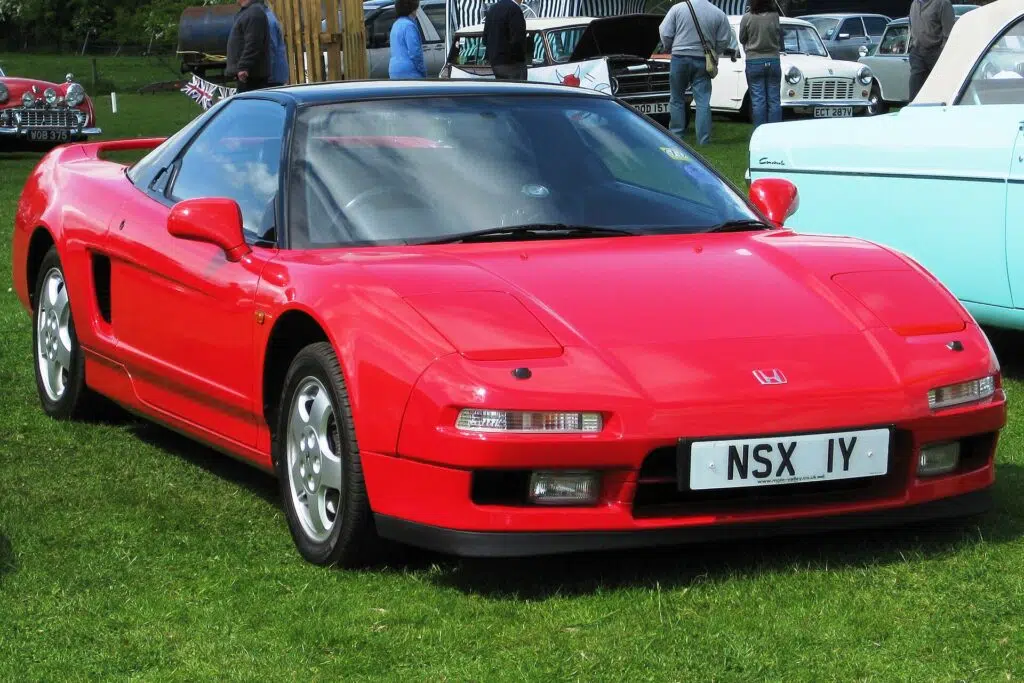
When Honda introduced the NSX in 1990, it redefined what a supercar could be. Famed Formula 1 driver Ayrton Senna provided input for the manufacturing of this car and it was ultimately engineered with precision in mind. Its 3.0-liter V6 engine, paired with a lightweight aluminum body, provided a thrilling performance that rivaled European supercars. Thirty years later, the NSX remains a benchmark for Japanese carmakers.
3. Mazda RX-7 (FD)

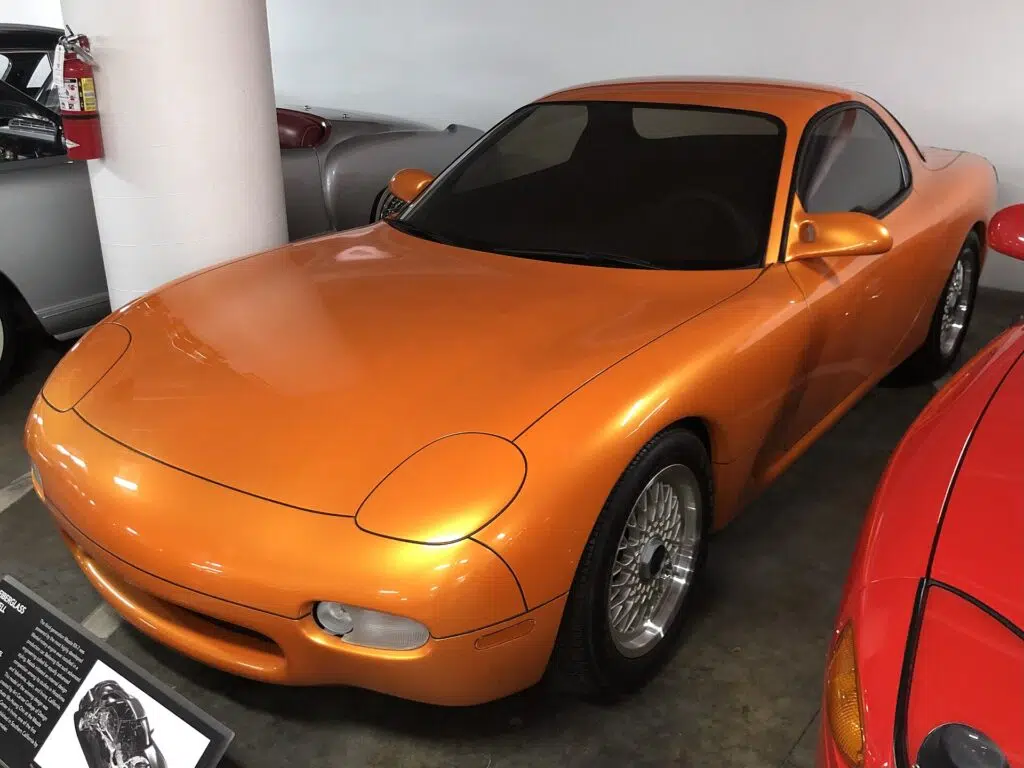
The Mazda RX-7 holds a special place in my heart. It was released in 1993 and it has been widely celebrated for its unique rotary engine. Although the engine was small, it kicked out impressive power. That said, the rotary engine could make it difficult to upkeep maintenance, which made it a less practical daily driver. Its difficult nature doesn’t make it less loved by car collectors and modern-day tuners though.
2. Toyota Supra MK4

Toyota introduced the Supra MK4 in the summer of 1993. It is easily the most recognizable Japanese car of the 90s and it has been known to handle massive amounts of tuning and after-market mods. With a starting horsepower of 276, the Supra quickly became a favorite for both tuners and drag racers alike. The Supra also appeared in movies like The Fast and the Furious, solidifying its place in automotive history and in car enthusiasts’ hearts.
1. Nissan Skyline GT-R (R34)


The Nissan Skyline GT-R (R34) barely made it into the list of Japanese cars from the 90s. Produced in 1999, this vehicle is often referred to as “Godzilla” and it is the epitome of Japanese engineering of the time. Its sleek, aggressive design has made it a pop culture icon, especially in video games and films like Fast & Furious. Although it’s more than 20 years old, the R34 continues to have a cult following to this day and remains highly sought-after.
A Legacy of Performance and Innovation


These 10 iconic Japanese cars from the 1990s represent more than just vehicles. Each one is a symbol of innovation and performance, and each one has left a lasting legacy in the car community. From the raw power of the Nissan Skyline GT-R to the elegant Lexus SC series, these cars have stood the test of time. Car lovers continue to admire, collect, and modify these vehicles, ensuring their spot in automotive history for years to come.