
Water Damage Catonsville homeowners experience can happen for several reasons, from leaking pipes and overflowing appliances to heavy rainfall and basement flooding. Even a small leak can become an expensive problem when moisture goes unnoticed for days or weeks.
Understanding what puts your property at risk and taking a few preventive steps can help protect your home, avoid costly repairs, and reduce the chances of mold growth.
Catonsville, Maryland, experiences seasonal rainfall, humid summers, cold winters, and occasional severe storms. These changing weather conditions can place extra pressure on roofs, plumbing systems, foundations, and drainage areas.
Older homes may face additional challenges because of aging pipes, worn seals, and outdated building materials.

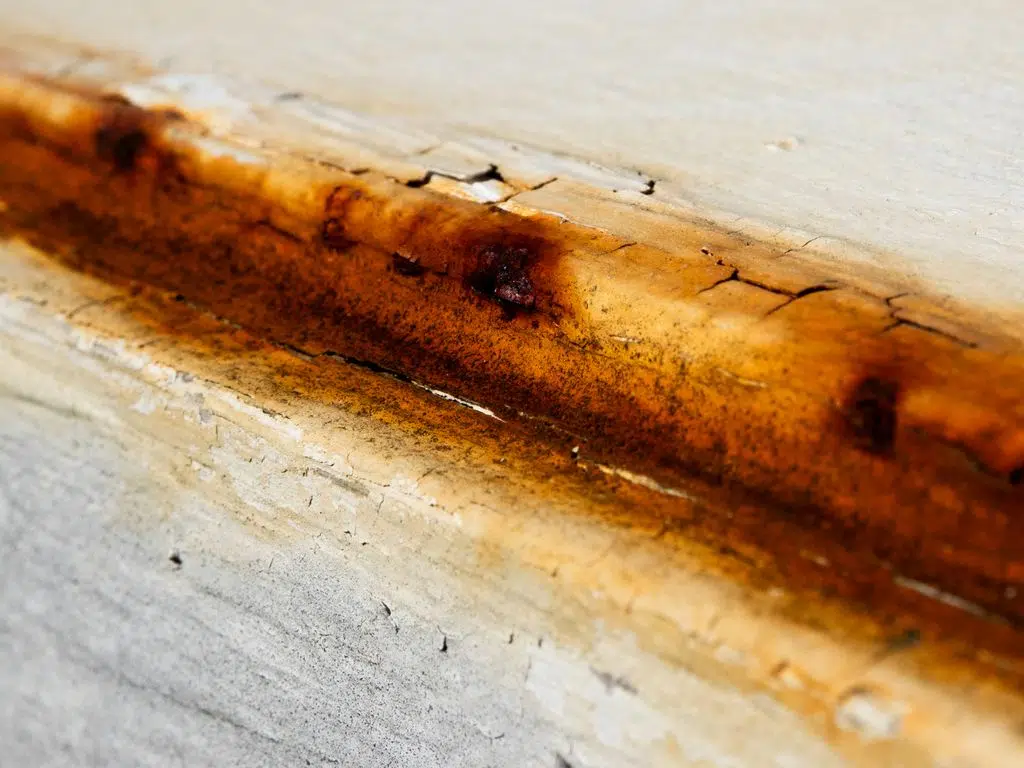
The good news is that many common causes of water damage can be managed with regular inspections and timely maintenance.
1. Leaking Pipes and Plumbing Problems
Plumbing leaks are among the most common causes of residential water damage. A loose connection beneath a sink, a corroded pipe inside a wall, or a damaged supply line behind a washing machine can release water slowly without attracting attention. Over time, moisture may spread into cabinets, drywall, flooring, and nearby structural materials.
Older properties may be particularly vulnerable when plumbing components have deteriorated over the years. However, newer homes are not immune. High water pressure, poorly fitted connections, and accidental damage during renovations can also lead to leaks.
How to prevent plumbing leaks
Inspect exposed pipes beneath sinks, around toilets, and near water heaters for corrosion, dampness, or mineral deposits. Check washing machine hoses periodically and replace any that show cracks, bulges, or other signs of wear. If your home has older plumbing, consider having a licensed plumber assess its condition.
Pay attention to unexpected changes in your water bill. A sudden increase without a clear explanation could indicate a hidden leak. If you suspect a pipe has burst, shut off the main water supply when it is safe to do so and contact a plumbing professional promptly.
2. Heavy Rainfall and Poor Drainage
Rainwater can cause significant damage when it collects around a home’s foundation or enters through vulnerable openings. Properties with sloping yards, clogged drainage channels, or poorly positioned downspouts may be more likely to experience water intrusion during heavy rainfall.
When water repeatedly pools near the foundation, it can find its way through small cracks, basement windows, and gaps around utility lines. Even if flooding does not occur immediately, persistent moisture around the structure can contribute to damp basement walls and deteriorating materials.
How to prevent rainwater intrusion
Keep gutters and downspouts clear of leaves, dirt, and other debris, particularly during the fall and before major storms. Make sure downspouts direct water several feet away from the foundation rather than releasing it directly beside the house.
Check your yard after rainfall to identify areas where water tends to collect. If drainage problems persist, a qualified drainage contractor may recommend grading improvements, extensions, or a suitable drainage system. Avoid making changes that redirect runoff onto neighboring properties.
3. Roof Leaks and Damaged Shingles
A roof protects the home from rain, snow, and other weather conditions, but damaged shingles or worn flashing can allow moisture inside. Leaks may develop around chimneys, skylights, roof vents, and other points where roofing materials meet.
Sometimes, the first visible sign appears far from the actual entry point. A brown ceiling stain, peeling paint, or damp attic insulation may indicate that water has traveled along a beam or another building component before becoming noticeable.
Strong winds, falling branches, aging roofing materials, and neglected maintenance can all increase the risk of roof leaks.
How to prevent roof-related water damage
Arrange periodic roof inspections, especially after severe storms or when the roof is approaching the end of its expected service life. Look for missing shingles, damaged flashing, sagging areas, and debris collecting in valleys. An inspection from inside the attic can also reveal water stains or damp insulation.
Address small roofing problems before they spread. If you notice a leak, avoid climbing onto a wet or damaged roof. A qualified roofing contractor can identify the source and recommend appropriate repairs.
4. Basement Flooding and Foundation Cracks
Basements are particularly susceptible to water intrusion because they sit below ground level. Heavy rain, saturated soil, foundation cracks, and drainage failures can allow moisture to enter through walls or floors. Homes with sump pumps may also flood if the equipment fails during a storm or loses power.
Not every foundation crack indicates a serious structural problem, but cracks that widen, allow water through, or appear alongside bowing walls deserve professional attention. Persistent dampness can damage stored belongings, flooring, finished walls, and electrical equipment.
How to reduce basement flooding risks
Inspect basement walls and floors for discoloration, damp patches, musty odors, or white mineral deposits. Test your sump pump according to the manufacturer’s instructions and consider whether a battery backup is appropriate for your property.
Keep outdoor drainage systems functioning properly and avoid storing valuable items directly on basement floors. If water enters repeatedly, investigate the underlying cause rather than relying only on temporary cleanup. A foundation or drainage specialist can help determine whether the issue involves surface runoff, groundwater pressure, or a plumbing leak.
5. Appliance Leaks and Overflowing Fixtures
Everyday household appliances can cause considerable water damage when a hose breaks, a connection loosens, or an internal component fails. Washing machines, dishwashers, refrigerators with water dispensers, and water heaters are common sources of leaks.
Bathrooms and kitchens also present risks. An overflowing bathtub, a toilet that continues running, or a sink left unattended can release enough water to affect nearby floors and cabinets. Water may seep beneath flooring and remain trapped long after the visible surface appears dry.
How to prevent appliance-related damage
Examine appliance hoses and connections for signs of wear, and follow the manufacturer’s recommendations for replacement and maintenance. Check beneath sinks and around water heaters for unexplained moisture. If your water heater shows corrosion, leaking, or unusual changes in performance, arrange an inspection.
Never leave a filling bathtub or sink unattended. Repair running toilets and dripping faucets instead of allowing the problem to continue. For additional protection, consider installing an automatic water shutoff device or leak detector near appliances and other vulnerable areas.
6. Frozen and Burst Pipes During Winter
Cold winter weather can cause water inside pipes to freeze and expand. If the pressure becomes high enough, the pipe may crack or rupture. When the ice melts, water can escape into walls, ceilings, cabinets, or lower levels of the house.
Pipes located in unheated basements, crawl spaces, garages, and exterior walls may be especially vulnerable during freezing conditions. A burst pipe can release a large volume of water before the problem is discovered, particularly if the affected area is rarely used.
How to protect pipes in cold weather
Insulate exposed pipes in vulnerable locations and seal gaps that allow cold air to reach plumbing. During prolonged cold spells, maintain adequate indoor heating, even when traveling. Open cabinet doors beneath sinks when appropriate to help warm air circulate around pipes near exterior walls.
If a pipe freezes, do not use an open flame to thaw it. If you suspect a rupture, shut off the water supply if safe and contact a plumber. Knowing where your main shutoff valve is located can save valuable time during an emergency.
7. Clogged Gutters and Downspouts
Gutters are designed to move rainwater away from the roof and foundation. When they become blocked, water can overflow onto siding, collect around the home’s base, or work its way beneath roofing materials. Repeated overflow may damage exterior finishes and increase the risk of basement moisture.
Leaves, twigs, roof granules, and other debris can accumulate throughout the year. Homes surrounded by mature trees may need more frequent gutter maintenance, especially during autumn.
How to keep gutters working properly
Clean gutters regularly and check that water flows freely through downspouts. Look for sagging sections, loose brackets, leaking joints, and signs that water is spilling over the edges during rainfall. Gutter guards may help reduce debris buildup, but they still require inspection and maintenance.
Make sure the drainage system carries water away from the foundation. If gutters overflow despite being clean, the system may be undersized, improperly sloped, or affected by a damaged downspout.
8. HVAC Condensation and Drain Line Problems
Heating and cooling systems can also introduce unwanted moisture into a home. Air conditioners and high-efficiency HVAC equipment produce condensation that must drain correctly. When a drain line becomes clogged or a condensate pan develops a crack, water may leak into ceilings, closets, utility rooms, or nearby flooring.
Because these systems often operate for extended periods, a minor drainage issue can cause repeated moisture exposure before anyone notices it.
How to prevent HVAC water damage
Schedule routine HVAC maintenance and ask a qualified technician to inspect condensate drain lines, drain pans, and connections. Pay attention to water around the indoor unit, unexplained humidity, or stains near air-handling equipment.
Do not ignore a system that repeatedly shuts down because of a drain issue or produces visible leaks. Prompt servicing can prevent a relatively small maintenance problem from developing into a larger restoration project.
9. Washing Machine and Dishwasher Supply Line Failures
Although appliance leaks are common, supply line failures deserve special attention because they can release water quickly. A washing machine hose may split while the appliance is running, while a dishwasher connection can leak behind cabinets where the damage remains hidden.
Homes with appliances on upper floors face an additional risk: water may travel through the subfloor and damage rooms below. The visible signs might include ceiling discoloration, bubbling paint, or warped flooring.
How to reduce the risk
Inspect supply lines and shutoff valves periodically. Replace damaged hoses immediately and follow appliance manufacturers’ recommendations for suitable replacement parts. When leaving home for an extended period, consider turning off the water supply to washing machines if the plumbing arrangement allows it.
Leak detectors placed behind appliances can provide an early warning. If a leak occurs, stop the water supply and arrange proper drying, especially when water has entered walls, insulation, or flooring.
10. Neglected Maintenance and Small Leaks
Not every water damage incident follows a major storm or plumbing emergency. Sometimes, the problem begins with a loose faucet connection, cracked caulking around a bathtub, deteriorating window seals, or a small roof defect. These issues may seem insignificant until moisture spreads into surrounding materials.
A home can appear clean and dry while moisture accumulates behind cabinets, beneath flooring, or inside wall cavities. Over time, this can cause wood to swell, paint to peel, flooring to buckle, and mold to develop when conditions support its growth.
How to prevent small problems from becoming major repairs
Set aside time each month to inspect bathrooms, kitchens, utility areas, basements, and ceilings beneath plumbing fixtures. Look for musty smells, unusual stains, soft drywall, loose flooring, and changes in paint or caulking.
Repair deteriorated seals and leaking fixtures promptly. If a damp area returns after cleaning or the source is unclear, investigate further rather than covering the stain with fresh paint. Finding the cause is essential to preventing recurring damage.
What Should You Do If You Discover Water Damage?
The right response depends on the source, the amount of water, and whether the affected area is safe to enter. Acting quickly can limit further damage, but safety should always come first.
If possible, stop the water supply or shut down the malfunctioning appliance. Keep people away from standing water near electrical outlets, wiring, or equipment. Do not enter a flooded basement if electrical hazards may be present. Contact the appropriate utility or emergency professional when necessary.
Take photographs and videos before moving damaged belongings, provided it is safe to do so. These records may help when discussing the incident with your insurance company. Keep receipts for emergency expenses and notify your insurer according to the requirements of your policy.
Small, clean-water spills on nonporous surfaces may be manageable with ordinary household cleanup. However, widespread flooding, contaminated water, sewage backups, or moisture inside walls and floors may require professional attention. Water can travel into concealed spaces, so removing visible puddles does not necessarily mean the property is completely dry.
A qualified restoration professional can assess affected materials, identify hidden moisture, and determine whether specialized extraction, drying equipment, cleaning, or repairs are necessary. If materials remain wet for an extended period, the risk of secondary damage and mold growth increases.
When Should You Call a Water Damage Restoration Professional?
Professional assistance is worth considering when water has affected multiple rooms, soaked carpets or drywall, entered a basement, or remained inside the property for an uncertain period. It is also advisable when the water may contain sewage, chemicals, or other contaminants.
Some problems are difficult to assess without moisture detection equipment.
A ceiling stain may indicate a leak that has spread through insulation, while a dry-looking floor may conceal moisture beneath the surface. Professional inspection can help establish the extent of the damage and guide appropriate drying and repair work.
Homeowners should also seek help when water returns after previous cleanup, musty odors persist, or visible mold appears. Simply repainting a stained wall or using a household fan may not resolve moisture trapped inside building materials.
A Simple Water Damage Prevention Checklist for Catonsville Homeowners
Preventive maintenance does not need to be complicated. A consistent routine can help you catch problems early and reduce the likelihood of an expensive emergency.
- Inspect exposed plumbing and appliance hoses regularly.
- Clean gutters and check downspouts throughout the year.
- Examine roofing materials after severe weather.
- Test sump pumps and investigate recurring basement dampness.
- Insulate vulnerable pipes before freezing weather arrives.
- Maintain HVAC systems and clear condensate drainage as recommended.
- Repair dripping faucets, leaking toilets, and damaged caulking promptly.
- Keep valuable belongings elevated in areas that may flood.
- Know the location of your main water shutoff valve.
- Consider leak detectors near water heaters, washing machines, and other appliances.
Protect Your Home Before Water Damage Gets Worse
Water damage is not always preventable, but many incidents can be avoided or limited through regular inspections, timely repairs, and sensible preparation. In Catonsville, paying attention to rainfall, basement drainage, aging plumbing, and seasonal temperature changes can make a meaningful difference in protecting your property.
The most important step is to address warning signs before they become larger problems. A small leak may require only a straightforward repair when discovered early, whereas prolonged moisture can affect flooring, drywall, insulation, and structural materials.
If water has already entered your home, do not assume the problem is resolved simply because the visible water is gone. Identify the source, check the affected area carefully, and arrange professional assessment when the damage is extensive or hidden.
Taking action early can help reduce repair costs, protect your belongings, and keep your home in better condition for years to come.