
A connection with nature does not require floor-to-ceiling windows or rooms filled with houseplants. Biophilic interior design can be much quieter, using daylight, natural materials, greenery, outdoor views, and organic forms throughout a home.
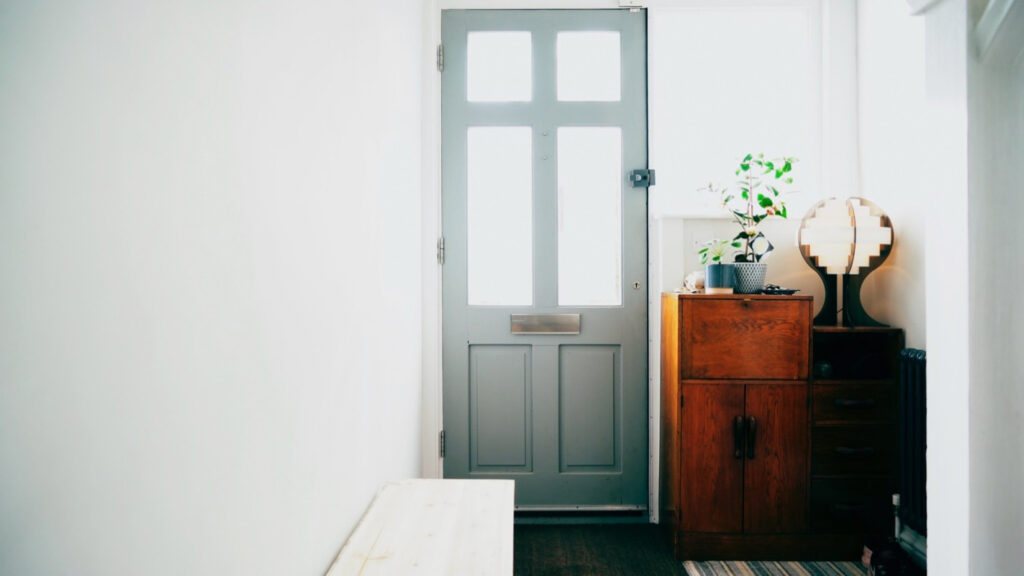
The most effective approach considers where people spend their time and introduces natural elements where they can become part of everyday routines.
Work With the Light You Already Have
Natural light is one of the easiest biophilic features to overlook because it already exists in most homes. Furniture placement can determine whether that light becomes useful.
A reading chair beside a window creates a different experience than the same chair placed against an interior wall. A home office positioned near daylight may feel less enclosed, while a breakfast table overlooking a backyard can make the outdoors part of a daily routine.
Avoid automatically covering windows with heavy treatments. Sheer curtains, adjustable shades, or blinds can provide privacy while preserving daylight. Mirrors placed across from or near windows may also help carry available light deeper into a room.
Bring Natural Materials Into Daily Contact
Natural materials have variations in grain, texture, and color that can make an interior feel less uniform. Wood, stone, linen, cotton, wool, rattan, and clay can introduce those qualities without forcing homeowners to adopt a specific decorating style.
Focus on surfaces people regularly see and touch. A wood dining table, linen bedding, woven storage basket, or stone countertop can have more daily presence than decorative objects sitting on a distant shelf.
Material choices can begin before a house is furnished. Buyers exploring new home communities, for example, can look beyond floor plans and consider window orientation, flooring, countertop materials, outdoor views, and connections between indoor and exterior living areas.
Give Greenery a Practical Place
Houseplants are a familiar part of biophilic design, but more plants do not automatically create a better room. Select species based on the actual conditions in the space, including available sunlight, humidity, and how often someone can realistically provide care.
Placement matters for households with children or pets. Some common houseplants can be toxic if eaten, so plant safety should be checked before choosing a location.
Greenery can also come from outside. A window framing mature trees or a garden may provide a stronger visual connection than adding several plants to a crowded room.
Repeat Natural Cues Throughout the Home
Biophilic features tend to feel more intentional when they appear across multiple rooms. They do not need to match exactly. Wood tones used in the kitchen might reappear through a bedroom bench. Curved furniture can echo shapes found outdoors, while botanical artwork can bring natural imagery into a hallway without windows.
Even small transitions help create continuity. A nature-connected interior does not depend on one dramatic design feature.
It develops through repeated contact with daylight, outdoor views, natural textures, plants, and familiar organic forms. Choosing a few meaningful touchpoints for each room can make biophilic design part of daily life rather than another decorating trend.
Look over the infographic below to learn more.
