
George Bolzoni is a management professional based in Union City, New Jersey, whose career spans security operations, healthcare logistics, hospitality, and fitness management. Between 2011 and 2015, he provided security for NBA and NFL players at Madison Square Garden, and he later worked in healthcare logistics distributing orthopedic surgical equipment for Stryker Corporation. Today, George Bolzoni works as a fitness and nutrition trainer through his own business, George Bolzoni Fitness, drawing on his education in physical education and health from Kean University. His background in fitness and public-facing roles gives him a practical perspective on how personal tattoos are presented within larger public settings, such as a tattoo expo, where body art is placed alongside artists, vendors, and enthusiasts in a shared cultural space.

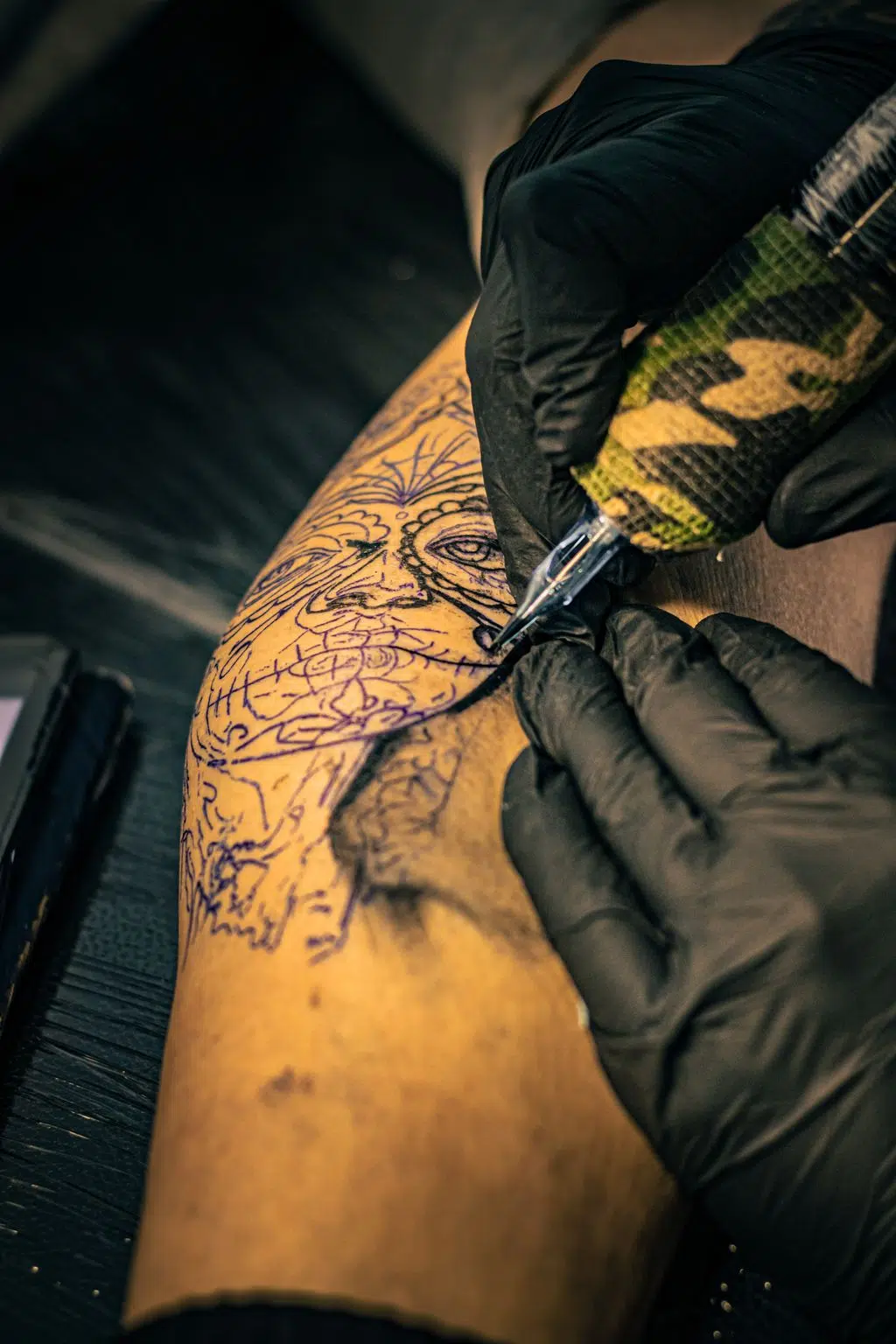
Personal tattoos can carry meaning for the person who wears them, and a tattoo expo can place that work in a broader setting. When an expo features a tattoo, it connects personal body art with a space built around tattoo culture. That setting places the work alongside artists, entertainers, vendors, tattoo enthusiasts, and other tattoo-focused activities.
Here, body art refers to tattoo work, although local body art programs may define it more broadly. Some programs include tattooing, piercing, branding, and permanent cosmetics under the same regulatory term.
An expo feature means that the event shows, highlights, includes, or presents the tattoo as part of its activities. The feature confirms public presentation within the expo setting.
Tattoo expos can bring artists, vendors, visitors, entertainers, and tattoo enthusiasts into one venue. The event may include live tattooing, advance appointments, walk-up sessions, contests, exhibitions, workshops, and scheduled programming. For a tattoo enthusiast, that environment can place personal tattoos within a public gathering centered on tattoo work.
Expo features can place personal tattoos within different parts of the event. A tattoo may appear in an artist display, a scheduled exhibition, a style category, a competition area, or program material. Each setting can connect the work with particular artists, tattoo styles, or expo activities.
It can also show whether the feature appeared as general programming, artist-related material, or contest-linked material. That context adds substance without automatically establishing an award or competition result.
Visible tattoo details can also support careful description. Contest categories may distinguish work by size, placement, color approach, black-and-gray treatment, portraiture, lettering, realism, traditional styles, sleeves, chest pieces, back pieces, or cover-ups. These distinctions help viewers understand how the expo organizes and presents different kinds of work.
They keep the tattoo itself at the center without turning every feature into a technical evaluation. The event setting also shapes how visitors encounter the tattoo. Artist displays, competition areas, exhibitions, and style categories place individual work beside other examples of tattoo design.
Visitors can notice placement, scale, color, technique, and subject matter within a shared environment. The tattoo therefore appears as part of a broader creative culture rather than as an isolated image. That framing helps explain why the expo setting matters even when the feature does not establish an award.
Contest rules show why precise wording still matters. Expos may separate general tattoo activity from formal competitions with entry fees, categories, stage times, eligibility rules, judging criteria, and trophies. A competition entry can support stronger statements about placement, awards, or onsite completion.
A feature alone establishes public presentation, not a competition result. Competition formats also distinguish fresh tattoos from healed tattoos. Some fresh categories require artists to begin and complete the tattoo during the event, while healed categories require skin that has healed sufficiently to permit reliable evaluation.
Other rules may limit entries to work by attending artists, require contestants to report to the stage, or direct organizers to verify the correct category. Those requirements show why a general feature does not automatically establish competition status.
An expo feature can give personal tattoo work a place within a larger tattoo community. The setting may connect the tattoo with a style, artist, category, exhibition, or scheduled activity. Those connections give the feature substance while preserving the distinction between public presentation and formal competition.
The result keeps the personal tattoo central while explaining what its expo appearance can genuinely show.
About George Bolzoni
George Bolzoni is a Union City, New Jersey-based management professional with experience across security operations, healthcare logistics, hospitality, and fitness. He provided security for NBA and NFL players at Madison Square Garden between 2011 and 2015 before moving into healthcare logistics, distributing orthopedic surgical equipment for Stryker Corporation. He studied physical education and health at Kean University, focusing on biomechanics, anatomy, and physiology. Today, he operates George Bolzoni Fitness, providing clients with tailored workout and nutrition plans.