
Pets age much like people do. As dogs and cats grow older, they may move more slowly, sleep longer, and develop new health concerns that affect daily life.

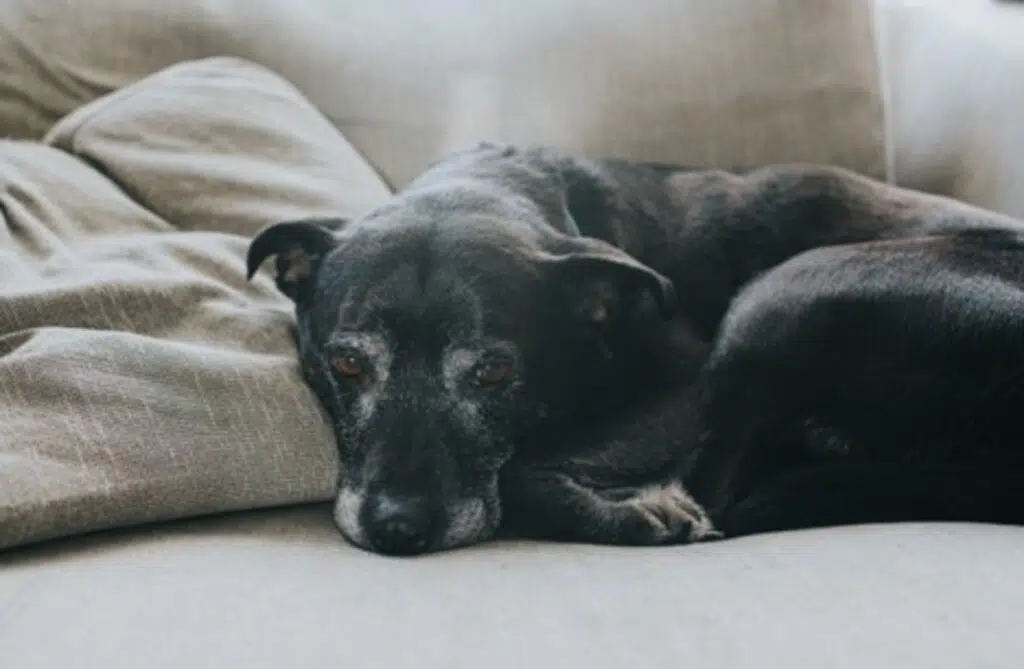
Senior pets often need changes in diet, exercise, grooming, and medical care to remain comfortable during their later years.
Watch for Changes in Mobility
Joint stiffness and reduced mobility are common in aging pets. Older dogs and cats may struggle with stairs, jumping, getting into vehicles, or standing after resting.
Some pets may also avoid walks or playtime because movement becomes uncomfortable.
Soft bedding, non-slip rugs, and raised food bowls may help reduce physical strain around the home. Shorter and more frequent walks may also help older pets stay active without placing too much pressure on joints. Weight control matters as well because excess weight often increases joint stress.
Nutrition Needs Often Change With Age
Senior pets may require different diets than younger animals. Older pets sometimes experience slower digestion, reduced muscle mass, dental problems, or lower energy levels.
Some may gain weight easily while others lose weight due to medical conditions or reduced appetite.
Veterinarians often recommend diets that support joint health, digestion, heart function, or kidney health, depending on the pet’s condition.
Fresh water should always remain easily accessible, especially for older pets managing kidney or urinary concerns.
Regular Veterinary Visits Become More Important
Health conditions may develop gradually as pets age. Routine exams often help veterinarians identify problems before symptoms become severe.
Early detection may improve treatment options and help pets remain more comfortable.
Some aging pets may also require bloodwork, imaging tests, or veterinary internal medicine services to monitor chronic conditions more closely.
Owners should also watch for changes such as increased thirst, appetite loss, confusion, coughing, or unusual sleeping patterns. Behavior changes sometimes signal medical concerns that need attention.
Mental Stimulation Still Matters
Older pets continue benefiting from interaction and mental activity. Gentle play, short walks, puzzle toys, and simple training exercises may help support emotional well-being and cognitive function.
Pets who become isolated or inactive may experience increased anxiety or confusion over time.
Consistent routines often help senior pets feel calmer and more secure, especially if hearing or vision declines begin affecting daily activities. Quiet spaces for rest may also help reduce stress in busy households.
Grooming and Hygiene Need Extra Attention
Senior pets sometimes struggle to groom themselves properly. Long nails, matted fur, dental buildup, and skin irritation may become more common with age.
Regular brushing and nail trimming may improve comfort and help owners identify health concerns earlier.
Dental care is especially important because untreated dental disease may affect eating habits and overall health.
Older pets may also need more frequent bathroom breaks due to bladder control changes or medical conditions.
Caring for senior pets often requires patience, observation, and adjustments to daily routines as animals age. Mobility support, proper nutrition, regular veterinary care, mental stimulation, and grooming all play important roles in maintaining comfort and quality of life.
Look over the infographic below for more information.
