
Every pet parent must have been aware of the fact that pets are naturally curious and they tend to explore the world with their mouths.
This curious nature of theirs might sometimes result in consuming harmful substances. It can be something from the garden, a cleaning product that is kept under the sink, or a piece of human food that’s toxic to animals.
Accidental consumption of such a product might lead to some serious health issues.
In these instances, recognizing the signs much earlier and acting fast can save your pet’s life. Knowing where to go and what to look out for can make a stressful moment more manageable.
Getting help from a low cost emergency veterinarian in Sarasota, Florida, helps in addressing these issues at an early stage.

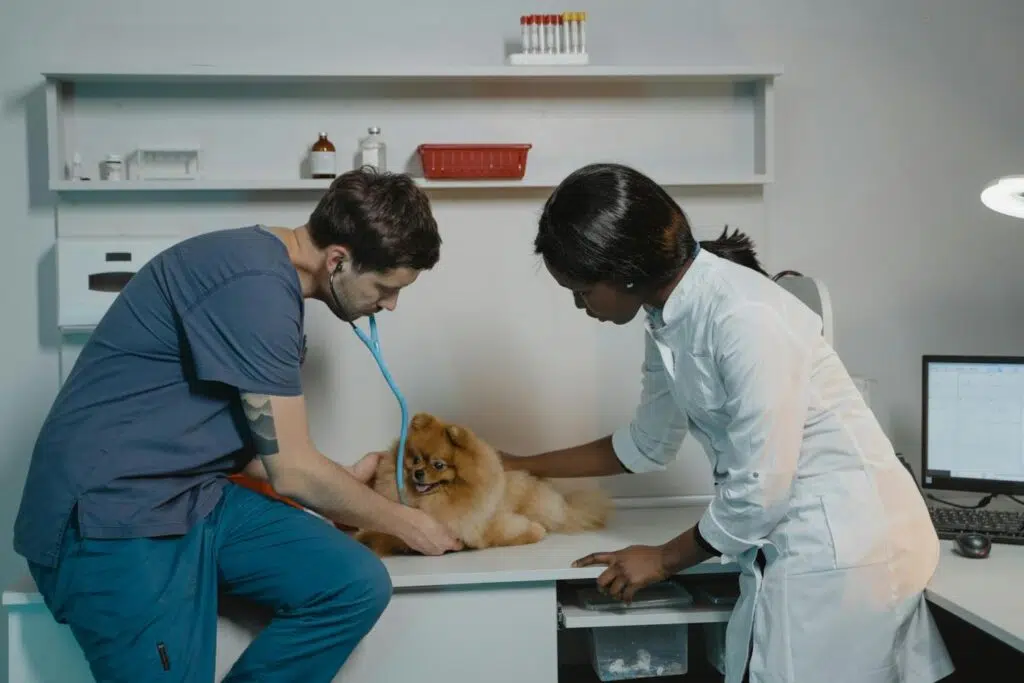
This article explains the common symptoms of toxin ingestion in pets, what steps you can take immediately, and how professional help can make a difference.
Vomiting and Diarrhea
One of the first and most obvious indications that your pet has consumed a toxic substance is vomiting or diarrhea.
These symptoms usually occur suddenly and can also be accompanied by drooling or vomiting. Sometimes the vomit or feces of your pet might contain blood, have a strange color, or smell.
If you notice these symptoms happening after your pet has been exposed to chemicals, medication, or unknown foods, then there is a high chance of poisoning.
Behavioral Changes or Looking Weak
Pets that are poisoned by toxins most probably show unusual behavior. Either they’ll become extremely quiet or completely restless, like moving back and forth, hiding, or getting aggressive.
In some cases, the pet becomes confused and will bump into things or struggle to walk. These symptoms are neurological-based and might indicate toxins that target the brain or nervous system.
Getting timely assistance from an emergency vet will help control these symptoms and avoid long-term injury.
Excessive Drooling or Foaming at the Mouth
Sometimes drooling is alright among pets, but uncontrollable salivation is not something that should be ignored, as it could be a sign of poisoning.
This mostly occurs when the pet has ingested something bitter or irritating to the mouth and throat.
If these symptoms are accompanied by pawing at the mouth or facial spasms, excessive drooling might indicate an extreme reaction. In this case, avoid further exposure and call the vet immediately.
Facing Breathing Troubles
If your pet is exposed to toxins, it can also impact its respiratory system. Symptoms like Rapid breathing, panting, coughing, or gasping for air are also signs of a respiratory emergency.
Some poisons might also cause swelling in the throat or lungs, which makes it hard for your pet to breathe.
If your pet shows any signs of respiratory pain, it’s necessary to take them to a veterinary professional as soon as possible.
Noticing Changes in the Gum Color
One of the earliest symptoms of circulation difficulties in your pet is to watch out for their gums. A healthy gum of a pet should be pink in colour. If your pet’s gums become pale, blue, or very red, it can be an indication of poisoning or insufficient oxygen.
These color changes may also mean the poison is having an effect on your pet’s heart, circulation, or functioning as it should with oxygen.
This is another indication that professional assessment is immediately necessary.
Seizures or Muscle Tremors
Certain toxins trigger intense reactions like seizures, shaking, or tremors in pets. These are mostly caused by chemicals like pesticides, antifreeze, or some plants. These intense reactions are terrifying and tend to progress rapidly.
If your pet starts seizing or is unable to control body movements, you require immediate veterinary care.
What the Vet Will Do to Help
If you take your pet to an emergency vet clinic, the staff will first stabilize their condition. This includes giving fluids, oxygen, or medications to control symptoms.
They might also induce vomiting or administer activated charcoal to decrease or stop the absorption of the toxin, depending on what and when the pet ingested. At times, bloodwork or X-rays will also help in identifying the severity of the concern.
The goal of a vet is to reverse or reduce the effects of the poison while supporting your pet’s vital functions.
If you notice any one of the signs mentioned above, it is necessary to contact a low cost emergency veterinarian in Sarasota, Florida, right away. Pets will always rely on their parents to protect them, and it is a necessity to recognize these warning signals as a pet parent.
Acting quickly, keeping harmful materials away from the pets, and knowing where to go for help are mandatory.
Your pet’s health can change in an instant, but with the right information and access to emergency support, you can face those moments with confidence.