
As the U.S. continues its push toward energy efficiency and reducing carbon emissions, heat pumps have become a central part of the conversation.
Programs across the country are incentivizing homeowners to switch to these eco-friendly systems. But for many homeowners, the question remains: are heat pumps worth the investment?
Considering their higher upfront costs, it’s crucial to ensure they have a reliable heat pump lifespan.
In this article, we’ll explore the factors that affect heat pump life expectancy and how homeowners can maximize their system’s longevity.
If you’re considering switching to a heat pump, consulting with a reputable HVAC company is key to selecting the right system for your home and ensuring proper installation.

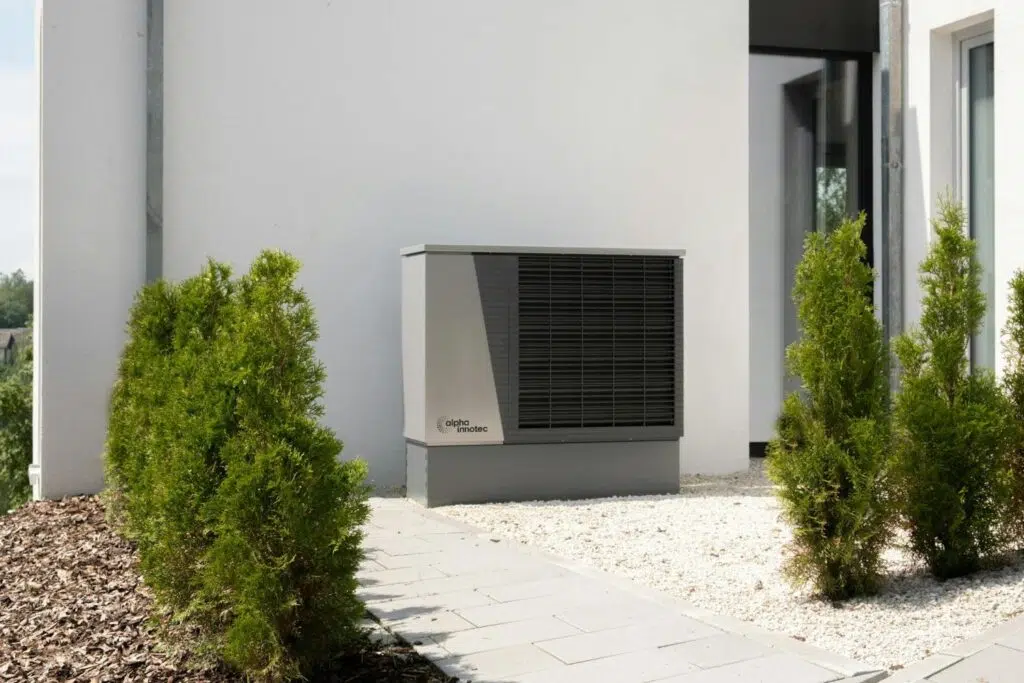
Understanding Heat Pump Lifespan
The average heat pump lifespan is typically 15 to 20 years. However, this estimate can vary significantly depending on several factors:
- Climate: Heat pumps in moderate climates tend to last longer because they don’t have to work as hard as those in extreme temperatures.
- Usage: Systems that are used year-round for both heating and cooling may experience more wear and tear than those used seasonally.
- Maintenance: Regular servicing plays a vital role in extending a heat pump’s life. Neglecting routine maintenance can shorten the system’s lifespan considerably.
- Installation Quality: Poor installation can lead to inefficiencies, overuse, and early system failure.
For homeowners considering a heat pump, understanding these factors is crucial to making an informed decision.
How to Maximize Heat Pump Life Expectancy
To ensure your heat pump life expectancy meets or exceeds its potential, follow these best practices:
1. Schedule Regular Maintenance
Annual or bi-annual inspections by an HVAC professional are critical. Maintenance checks typically include:
- Cleaning or replacing filters
- Inspecting and cleaning the coils
- Checking refrigerant levels
- Ensuring the compressor and motor are functioning correctly
Preventative maintenance not only extends the life of your system but also keeps it running efficiently, reducing energy bills.
2. Install the Right System for Your Climate
Not all heat pumps are created equal. For colder climates, consider a cold-climate heat pump, which is specifically designed to operate efficiently in lower temperatures. Homeowners in milder areas, like California, can often use standard models.
3. Invest in Professional Installation
Improper installation can lead to inefficiencies and early system failures. Always work with a licensed and experienced HVAC contractor to ensure your heat pump is installed correctly.
4. Use Smart Thermostat Technology
Pairing your heat pump with a smart thermostat can optimize its operation, preventing unnecessary wear and tear. These devices learn your schedule and adjust temperatures to ensure the system runs only when needed.
5. Address Repairs Promptly
Ignoring small issues can lead to major breakdowns. If you notice any irregularities, such as strange noises or reduced performance, contact an HVAC technician immediately.
Cost vs. Longevity: Are Heat Pumps Worth It?
Heat pumps are a significant investment, with installation costs ranging from $4,000 to $8,000 or more depending on the size and type of system.
However, their longevity and energy savings can offset these initial expenses.
For example:
- A high-quality heat pump can save homeowners up to $500 annually on energy bills compared to traditional heating and cooling systems.
- Over a 20-year lifespan, this translates to $10,000 in savings, more than covering the initial installation cost.
Still, these benefits are only realized when the system is maintained properly. Skipping maintenance or opting for a cheaper, lower-quality unit can diminish these returns.
When to Replace a Heat Pump
Even with the best care, no system lasts forever. Signs that your heat pump may be nearing the end of its life include:
- Frequent breakdowns or repairs
- A sudden increase in energy bills
- Inconsistent temperatures or reduced performance
- Excessive noise from the unit
If your heat pump is over 15 years old and exhibiting these symptoms, it may be time to consider a replacement. Upgrading to a newer, more efficient model can provide better performance and lower energy costs.
The Bottom Line
As the U.S. continues to promote heat pumps as a sustainable alternative to traditional HVAC systems, understanding their heat pump lifespan is critical for homeowners weighing the investment.
With proper installation, regular maintenance, and a system tailored to your climate, a heat pump can last 15 to 20 years, making it a reliable and eco-friendly choice.
In states, where incentives and rebates can significantly reduce upfront costs, the case for heat pumps is even stronger. However, to ensure your system lasts long enough to justify the expense, ongoing care and professional servicing are essential.
By prioritizing maintenance and choosing a high-quality unit, homeowners can enjoy the benefits of this efficient technology for decades.