
Feeling stressed? Want to take a break from your everyday tasks?

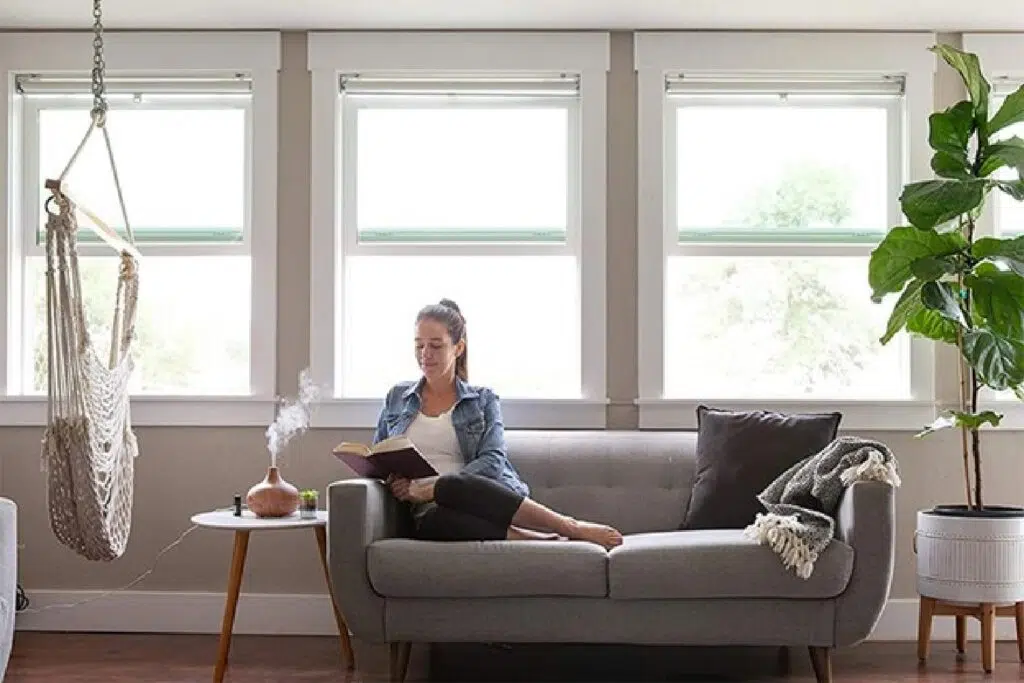
Assuming that your answer is a definitive yes, then you’re in for a real treat – aromatherapy will do just the trick.
Throughout the years, it’s proven to be one of the most common methods of calming people’s nerves and recharging their batteries. It’s simple, yet effective.
Perhaps the most common way of implementing aromatherapy into your life is by taking a whiff of your favourite essential oil scent and letting it do its thing.
But then there’s always a chance it’ll get messy, since those tiny bottles can get pretty slippery over time.
Plus, opening and closing the cap constantly becomes annoying after a while. This is where essential oil diffusers come in to save the day.
What Is the Purpose of an Essential Oil Diffuser?
Basically, these devices produce vaporised steam that contains the aroma of your essential oil of choice.
Some models require you to add a few drops of oil into directly into their container whereas others have absorbent pads.
Either way, these state-of-the-art essential oils diffusers disperse the fragrant steam throughout the room, giving you the chance to reap the benefits of aromatherapy throughout the entire day.

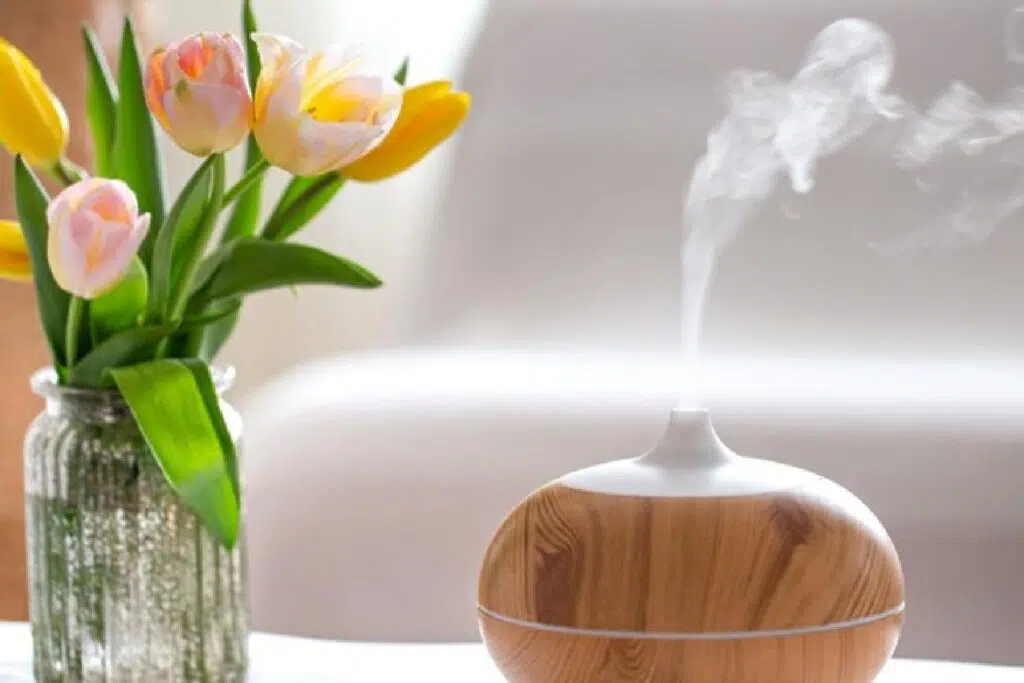
The vapour is normally released from the upper part of the diffuser, ensuring that the aromatic mist reaches every cut and crevice of the room.
This effectively saves you the hassle of inhaling straight out of the bottle or applying the oils topically since the device will be doing all the work for you.
Given the convenience and ease of use, it’s no wonder that diffusers are among the best gifts for aromatherapy enthusiasts.
How Do You Use an Essential Oil Diffuser?
Generally speaking, diffusers come with pre-packed directions on how to pour the water and oils.
These may differ slightly, depending on the model so make sure you read them carefully.
Here’s a brief rundown of what you should expect:
Pick a Location
While there aren’t any strict regulations on where you can or can’t position your diffuser, it’s no secret that some locations are more suitable than others.
It’s best if you put the device in an open and well-ventilated area to really get those particles flowing. Keep in mind that you’ll need an outlet nearby to plug it in.
Moreover, since both water and oils are involved, you should lay a placemat or towel underneath the diffuser to avoid making a mess.
Solid surfaces such as countertops, tables, or night stands are preferable for added stability.
Avoid putting it in direct sunlight or next to a fan because that might hinder its performance.

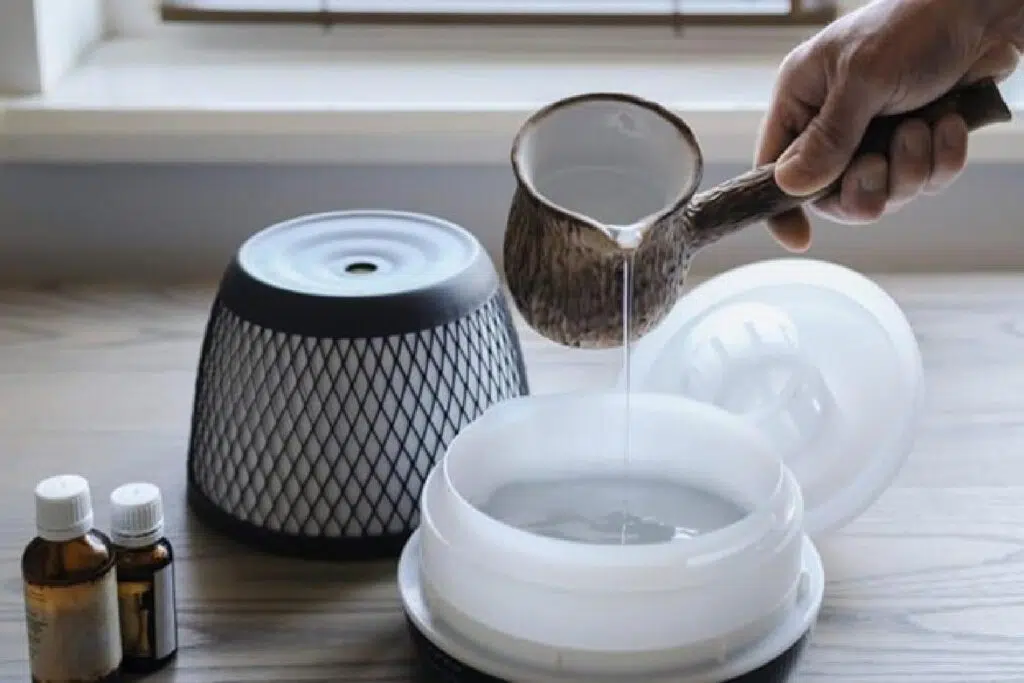
Pour Water into the Device
Once you’ve figured out the placement, your next step will be filling in the water reservoir with tap water at room temperature.
Most devices either have a recommended water level line on the surface of the tank or include a measuring cup in the packaging to ensure that the water-to-oil ratio is appropriate.
It’s important that you don’t overfill the reservoir because the diffuser may not run properly.
If you’re unsure, turn to the user manual for specific directions.
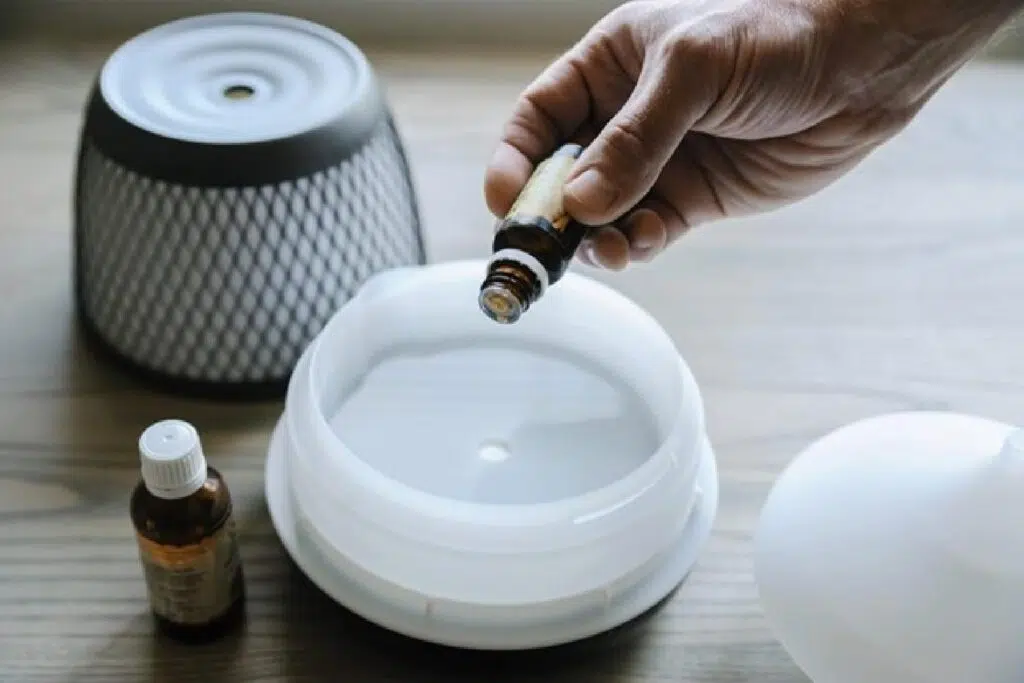
Add a Few Drops of Essential Oils
Last but not least, you may add anywhere from 3 to 10 drops of oil, depending on your preferences as well as the size of the tank.
In most cases, 6 drops are more than enough to produce a fragrant scent throughout the room.
Feel free to try out a few different combinations until you find something you like. Ultimately, you’re the one that’s in control of the situation.
When you’ve got all of your ingredients narrowed down, simply turn on the device and go about your day.
Some diffusers even come with extra features such as a nightlight or colour-changing LED lights, both of which are meant to have a soothing effect on your nerves.

How Long Do Essential Oils Last in a Diffuser?
In short, the diffuser will produce a fragranced mist until there’s no water left.
This may last anywhere from a few minutes to a couple of hours, based on the model that you have.
However, most essential oils diffusers will continue to emit a subtle aroma even after the water has evaporated.
In other words, the smell will linger in the air for a while, regardless of whether there’s water in the tank or not.
How Do You Clean Your Essential Oils Diffuser?
Regular cleaning and maintenance are key to keeping your diffuser running smoothly and prolonging its shelf life.
You should always clean the tank when you switch between essential oils. If you don’t do this, the two scents could mix and you likely won’t get the therapeutic effect you’re looking for.

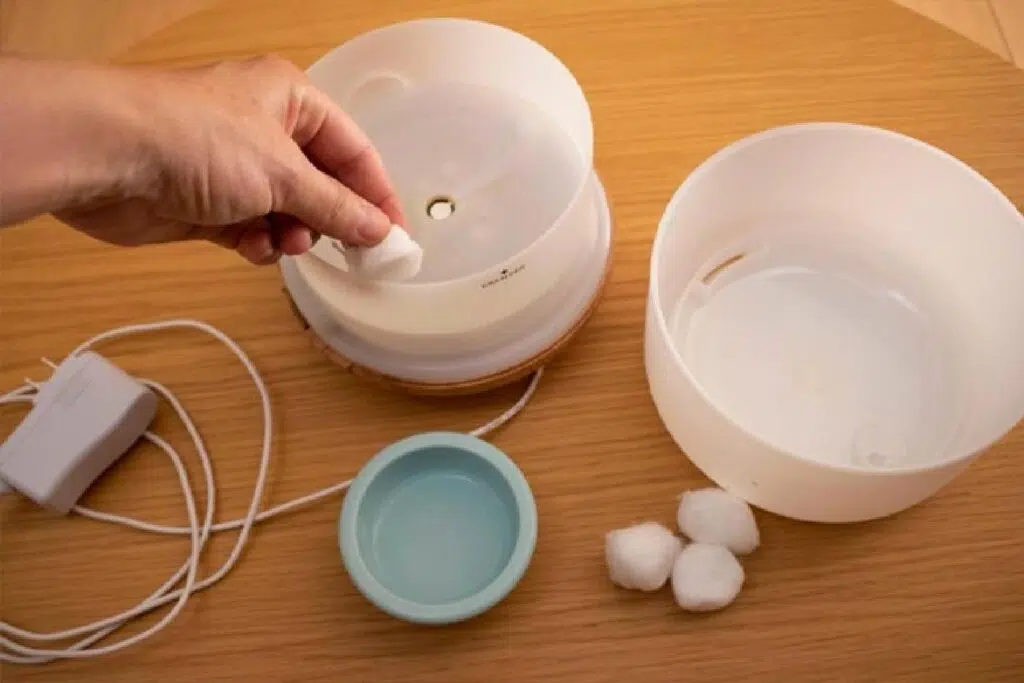
How you clean your diffuser relies heavily on its time. Once again, consult with the user manual on what the best way to go about it is.
Generally speaking, you’re supposed to empty the reservoir before thoroughly rinsing it down with tap water to remove any residue.
Finally, using dish soap or any other cleaner you may have at home is not recommended since that may damage the interior of the reservoir and cause the device to malfunction.
Using tap water only should be more than enough to remove excess oils from the tank.
Is Diffusing Essential Oils Harmful?
Seeing as essential oils are all-natural, there’s little to no risk of them being harmful in any way to your overall wellbeing.
But even so, they’re highly concentrated herbal extracts with powerful effects, which is why safety precautions should be taken just in case.
For example, if you’re allergic to a certain type of flower or plant, then you should avoid using essential oils that are extracted from that particular herb.
Moreover, people with underlying health conditions or chronic illnesses should always consult with their doctor before taking up aromatherapy in order to avoid potential side effects.
And lastly, pregnant or breastfeeding women should be extra cautious with essential oils, either by taking them sparingly or in small amounts.