
Different bladder conditions can cause unwanted leaks that make your daily life difficult.
You might find that you’re unable to enjoy the activities you used to take part in, such as exercise or enjoy a good laugh, without worrying about leaks.
Fortunately, these conditions can be managed by medical intervention and various natural methods.
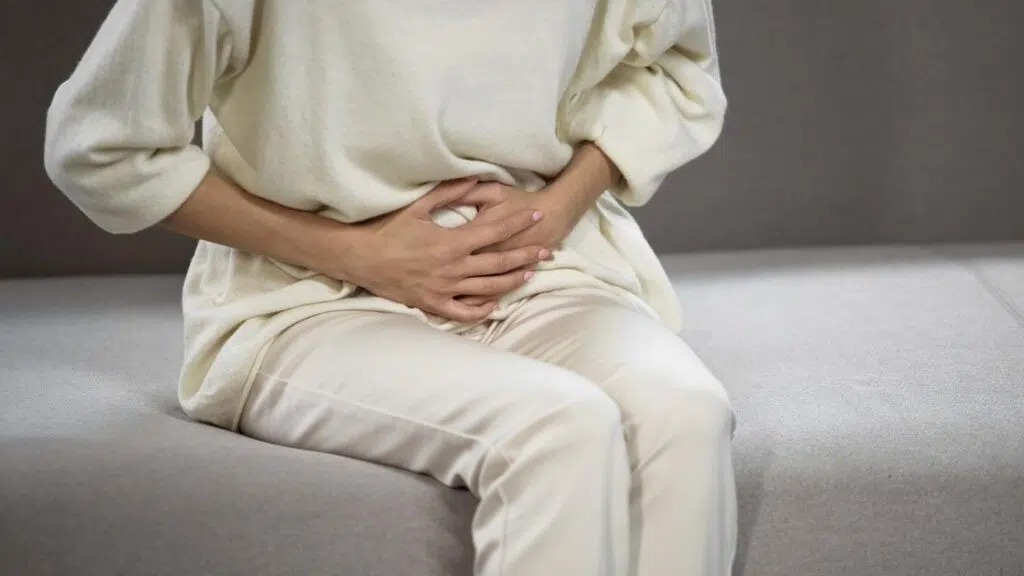
Here are bladder conditions that may cause unwanted leaks:
1. Stress Incontinence
Various situations can lead to the weakening of the pelvic floor muscles, which is a result of excessive pressure on the bladder.
The bladder becomes full and places overpowering pressure on the urethra, causing leaks.
Leaks occur when you laugh, cough, stand up, during sexual intercourse, or when you try to lift heavy objects.
Stress incontinence can be caused by varying conditions, such as surgery and pregnancy.
While stress incontinence can be managed by doing kegel exercises that are meant to strengthen your pelvic floor muscles, you have to find the means to deal with the leaks while on the path to recovery.
Protective underwear for adults is a cost-effective strategy for bladder conditions that may cause unwanted leaks.
These provide comfort and you don’t have to worry about constantly changing adult pads or adult diapers.
You can go about your day in confidence and rest every night peacefully knowing that you won’t have to wake up to freshen up after having leaked.
2. Urge Incontinence
An overactive bladder causes a condition known as urge incontinence. Muscles spasms cause the frequenting of bathroom visits.
If one doesn’t make it to the bathroom in time, a leakage situation presents itself.
Urge incontinence can be a side-effect of certain medications, such as those for high blood pressure.
Other health conditions, such as central nervous system illnesses, bladder stones, and Alzheimer’s, can also cause urge incontinence.
As a means of prevention, make sure to live a healthy lifestyle.
In extreme cases, a catheter has to be inserted to manage leaks, such as a recovering C-Section patient-facing complication as a result of the surgery.
In this case, she may have to continue to practice catheter care at home after getting discharged.
Take note that it’s important to receive training from professionals regarding catheter use at home.
Extreme care is needed to avoid infection from mishandling. Infections of such magnitudes are not only costly but deadly.
Having monitored the process and followed medical instruction, when the catheter is removed, a transition to protective underwear is advisable.
The removal of the catheter doesn’t necessarily mean that there will no longer be leaks that occur until the patient is fully healed.

3. Overflow Incontinence
Overflow incontinence is caused when the bladder doesn’t empty, leaving leaks after attempting to empty the bladder.
This can occur after a surgical process that leaves one without a sensation of urine.
Pads and diapers can cause a bulky look, especially if you decide to wear a tight-fitting pair of jeans.
Protective underwear doesn’t change the appearance of your outfit.
Hence, you can enjoy any occasion that you wish to attend without feeling self-conscious.
Regaining Bladder Control
While you manage unwanted leaks, you can try to regain bladder control at home by following medical advice and including natural measures, such as:
- Including magnesium-rich foods in your diet since it’s needed for proper muscle and nerve functions.
- For strong bones and immune system, include Vitamin D-rich foods in your diet
- Avoid smoking as this can lead to continuous coughing
- Avoid caffeine since it’s a diuretic, which contributes to bladder irritations and contraction of muscles
- Avoid lifting of heavy objects that place pressure on your bladder
- Shed off excess weight as belly fat places pressure on the bladder
- Train your bladder by delaying bathroom visits
- Visit a licensed acupuncturist who can help balance stems that may cause an overactive bladder
- Exercise for muscle strength
Conclusion
There are different types of bladder conditions that can lead to unwanted leaks. These include stress, urge, and overflow incontinence.
All conditions can be managed under medical guidance and home remedies, such as diet and exercise.
While on the path to become fully recovered from these conditions, you have to find the means to manage the leaks.
These can include pads and adult diapers.
However, these may incur high spending costs and other inconveniences, such as bulky appearances and frequent changes.
Protective underwear for adults is convenient since it’s more cost-effective, comfortable, and discrete.
Hence, you can enjoy your day and focus on recovering without the added prevention inconveniences.
Make sure to talk to your doctor about the various home remedies for managing unwanted leakages.